
Emory University Dismisses Iranian Security Chief’s Daughter After Protests and US Sanctions
Fatemeh Ardeshir Larijani was removed from her medical faculty role following campus demonstrations and growing pressure linked to her father’s role in Iran’s violent crackdown on protesters
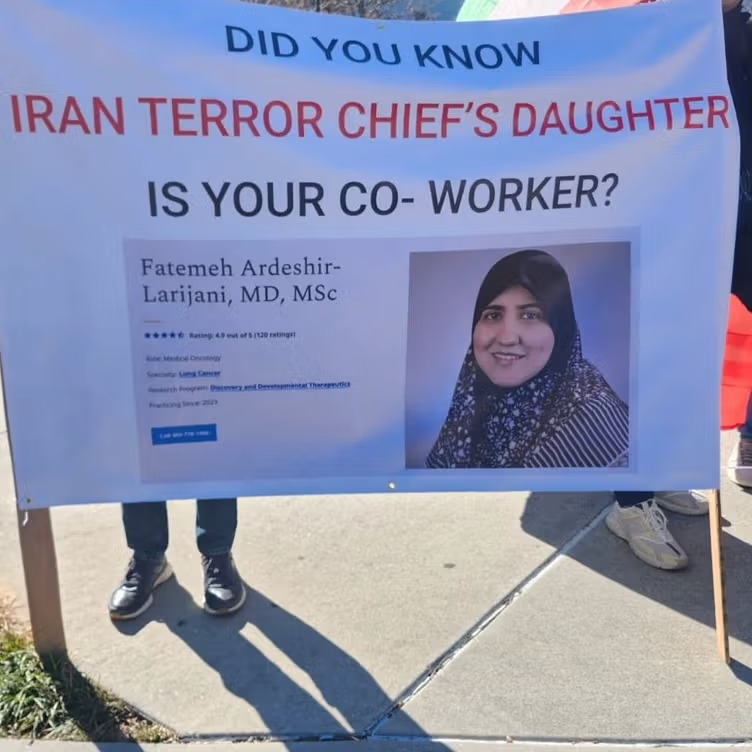
Emory University has dismissed Fatemeh Ardeshir Larijani, a physician and assistant professor at its Winship Cancer Institute, after mounting protests and political pressure linked to her father’s role in Iran’s violent crackdown on nationwide demonstrations. The university confirmed her employment had ended but declined to provide further explanation, calling it a personnel matter.
Larijani, who worked in hematology and medical oncology, had been part of Emory’s medical faculty, with her research previously described as focusing on “new target discovery and defining an immune resistance mechanism in lung cancer.” Her professional biography was removed from the university’s website following the dismissal.
The decision came days after Iranian-American activists gathered outside the Winship Cancer Institute on January 19, protesting her presence at the university because of her father, Ali Larijani, Iran’s Secretary of the Supreme National Security Council. Demonstrators accused him of being a central figure in the state response to protests that erupted across Iran in late December, a crackdown that has been described as the deadliest in the country’s recent history.
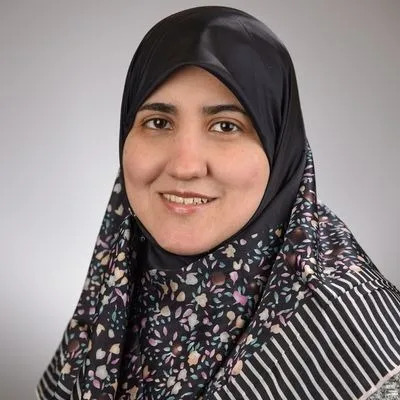 Fatemeh Ardeshir LarijaniEmory confirmed the termination in a statement shared with Iran International, “A physician who is the daughter of a senior Iranian government official is no longer an employee of Emory,” the university said. “Because this is a personnel matter, we are unable to provide additional information.”
The protests followed the U.S. Treasury Department’s decision to sanction Ali Larijani for what it described as “coordinating” the Islamic Republic’s response to the demonstrations on behalf of Supreme Leader Ayatollah Ali Khamenei. The Treasury accused him of publicly urging security forces to use violence against peaceful protesters, placing him among officials labeled as “architects” of the crackdown.
Although Emory did not explicitly connect Fatemeh Larijani’s dismissal to the sanctions, the university emphasized that all employees are hired in compliance with federal and state laws.
U.S. Representative Buddy Carter of Georgia was among the most vocal political figures calling for action. In a letter to Emory University and the Georgia Composite Medical Board, he urged not only her dismissal but also the revocation of her medical license.
“Physicians are entrusted with intimate access to patients, sensitive personal information, and critical medical decision-making,” Carter wrote, adding that allowing someone with close family ties to a senior Iranian security official to hold such a position posed risks to “patient trust, institutional integrity and national security.”
Activist groups also intensified pressure online. The nonprofit Alliance Against Islamic Regime of Iran Apologists (AAIRIA) highlighted that Larijani had lived and worked in the United States for several years and called on authorities to review her immigration and visa status. An online petition urging U.S. officials to deport her reportedly gathered close to 100,000 signatures.
The controversy unfolded alongside rising tensions between Washington and Tehran. As protests spread across Iran and reports of deaths emerged, U.S. President Donald Trump issued warnings on social media, suggesting possible American action if Iranian authorities continued using violence against demonstrators.
“If Iran violently kills peaceful protesters the U.S. will come to their rescue,” Trump wrote in a Truth Social post, adding, “we are locked and loaded and ready to go.”
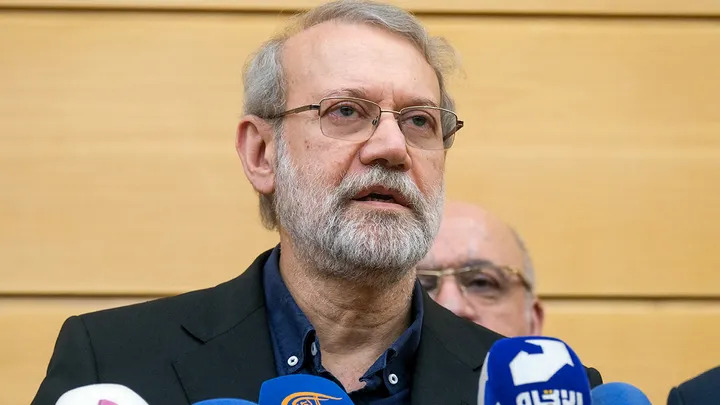 Ali Larijani
 Iranian officials responded sharply. Ali Larijani himself warned against what he called American interference, posting on X that such actions would destabilize the region and harm U.S. interests.
“The American people must know that Trump is the one who started this adventure,” he wrote, “and they should pay attention to the safety of their soldiers.”
University officials have continued to frame the matter narrowly as an internal employment decision. Yet the speed of the dismissal after protests, sanctions, and political letters has left little doubt that public pressure played a central role in the outcome.
