
Controversy Engulfs Eurovision 2024 as Israel's Participation Sparks Protests and Calls for Boycott in Malmo
Typically known for its eccentric music and vibrant atmosphere, this year's Eurovision has been overshadowed by demonstrations against Israel's involvement amid the ongoing conflict in Gaza
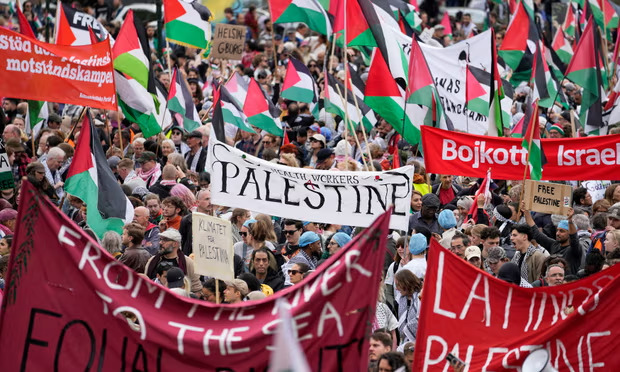
This week, Malmo finds itself in an unusual spotlight as the Eurovision Song Contest takes center stage in Sweden's third-largest city. Thousands of pro-Palestinian demonstrators have descended upon Malmo, protesting against Israel's participation in the pan-continental event, Eurovision.

The Eurovision Song Contest is an annual international song competition organized by the European Broadcasting Union (EBU). It features performers selected by each participating country's public broadcasting service, representing virtually every genre of popular music.
The contest began in 1956 to unite a war-torn Europe through popular music. It has since grown into the world's longest-running international music competition on television, with hundreds of millions of viewers tuning in each year.
This year Israel's entry into the singing competition has ignited a firestorm of controversy, stemming from its initial song choice, "October Rain," which alluded to the Israel-Gaza conflict.
The European Broadcasting Union (EBU), the governing body of Eurovision, intervened, deeming the song too political and requesting a change. Consequently, the song was revised to "Hurricane," but the essence of the original lyrics remained largely intact, prompting criticism and accusations of hypocrisy.
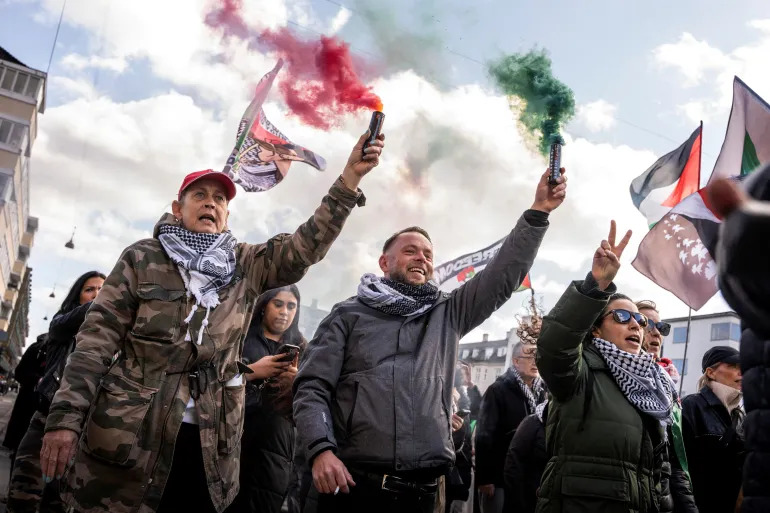
The controversy surrounding Israel's involvement in Eurovision underscores broader questions about the event's political neutrality and ethical responsibilities.
While the EBU maintains that Eurovision is a competition of broadcasters, not governments, the reality is far more complex. By allowing Israel to compete, Eurovision inadvertently becomes entangled in geopolitical tensions and amplifies voices of dissent.
In contrast, on February 25, 2022, just one day after Moscow's troops launched a full-scale invasion of Ukraine, the European Broadcasting Union (EBU) banned Russia’s entry into the competition, stating it "would bring the competition into disrepute.”
Similarly, Eurovision, which claimed to be apolitical, rejected Belarus's entry over its government’s crackdown on dissent.
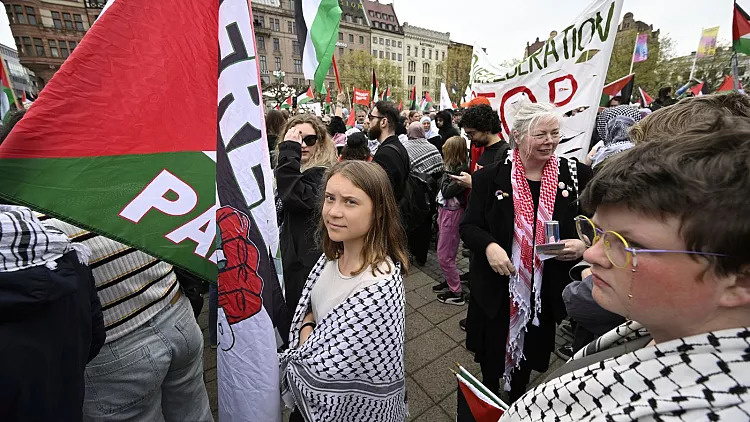
In response, protesters wearing keffiyehs and waving Palestinian flags filled the port city. The decision to allow Israel to compete despite the political undertones of its song has sparked protests and petitions.
Many residents of Malmo, particularly those of Palestinian descent, feel a deep sense of betrayal and frustration, viewing Israel's participation as an affront to their identity and a perpetuation of injustice.
One of the protestors said, “It’s important to be here. It’s not OK for Sweden to arrange this Eurovision and have Israel in the contest.”
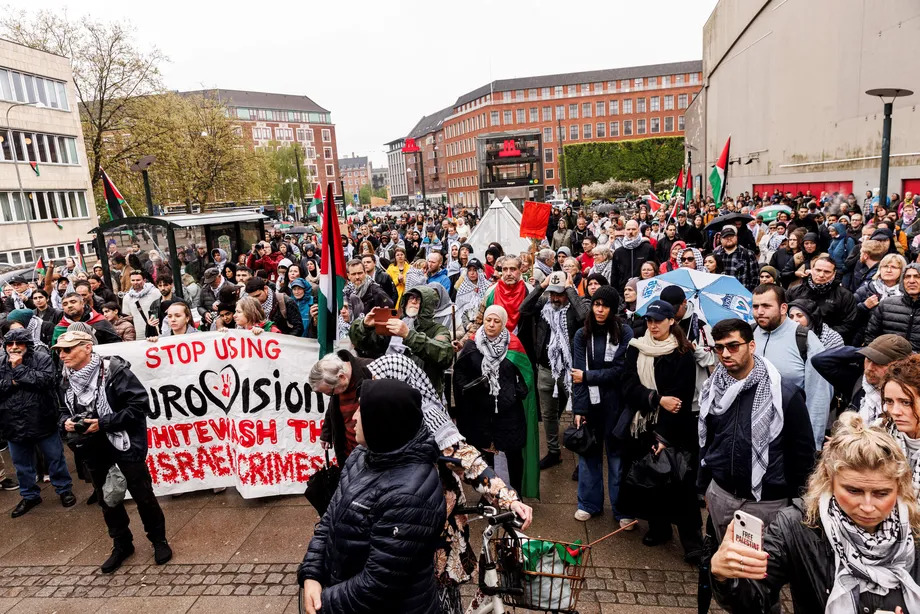
Police estimates suggest that between 10,000 and 12,000 individuals participated in the demonstration. Chanting slogans such as "From the river to the sea, Palestine will be free" and "Israel is a terror state," the demonstrators conveyed their message loudly and peacefully.
Many famous musicians, including Robyn, Fever Ray, Axel Boman, Refused, DJ Seinfeld, Peder Mannerfelt and First Aid Kit, are among the over 1,000 signatories of an open letter urging Eurovision to ban Israel from the 2024 competition.
The open letter stated, “The fact that countries that place themselves above humanitarian law are welcomed to participate in international cultural events trivializes violations of international law and makes the suffering of the victims invisible.”
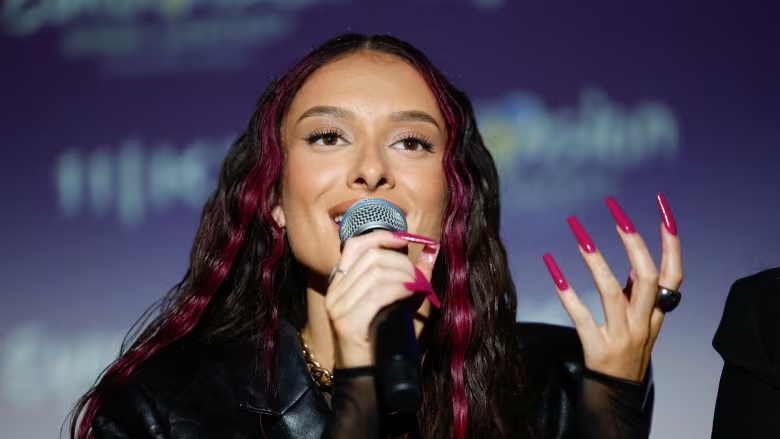
Eden Golan is representing Israel in the Eurovision Song Contest 2024 with her highly controversial song "Hurricane." Before her performance, Israeli Prime Minister Benjamin Netanyahu conveyed his best wishes to Golan, framing her endurance through the protests as a form of victory against what he described as a "terrible wave of antisemitism," once again invoking the narrative of Israel playing the victim.
Despite facing criticism both inside and outside the arena, the panel didn’t change their decision and Golan's song advanced from the second semifinal to the live televised final, along with nine others, further polarizing opinions and deepening divisions.
As a result, several Swedish music artists have advocated for a boycott of the event, and almost 20% of artists have dropped out.
Mohammed Ghannam, a member of the Swedish arm of the Boycott, Divestment, Sanctions (BDS) movement, said, "I think when the artists saw that the people definitely stood against the genocide, they could freely and proudly take a stance.”
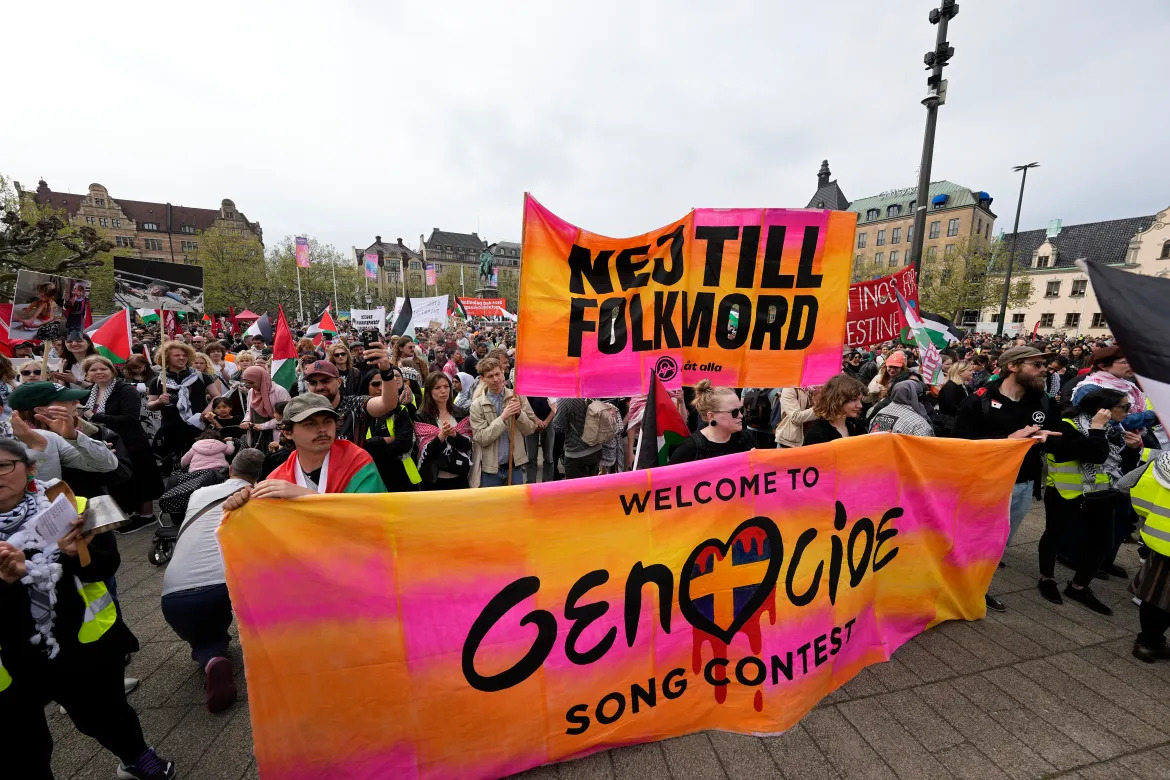
Protesters have decried what they see as a double standard, given Israel's onslaught on Gaza and heavily criticized asymmetrical military conduct that has resulted in the killings of more than 34,500 Palestinians. The heightened security measures in Malmo reflect the volatile nature of the situation, with concerns about potential violence and unrest looming large.
Palestinian protester named Amar told reporters, “I’m here today because I see the hypocrisy and double standards around the world,” he added, “We are against what’s happening in Gaza right now. But I also want people to understand that we don’t hate Jews.”
