
Saudi Arabia's Secret Sentencing of Women's Rights Activist Highlights Continuing Repression
Following her arrest, Manahel al-Otaibi was subjected to physical and psychological abuse during her confinement at Riyadh’s Malaz Prison

Saudi Arabia has once again drawn international condemnation for its suppression of basic rights, particularly those of women. The recent revelation of the secret sentencing of Manahel al-Otaibi, a 29-year-old women's rights activist and fitness instructor, to 11 years in prison has sparked outrage and shed light on the ongoing struggle for freedom of expression and gender equality in the kingdom.
Al-Otaibi's ordeal began in November 2022 when she was apprehended for her online advocacy work and expressive clothing choices.
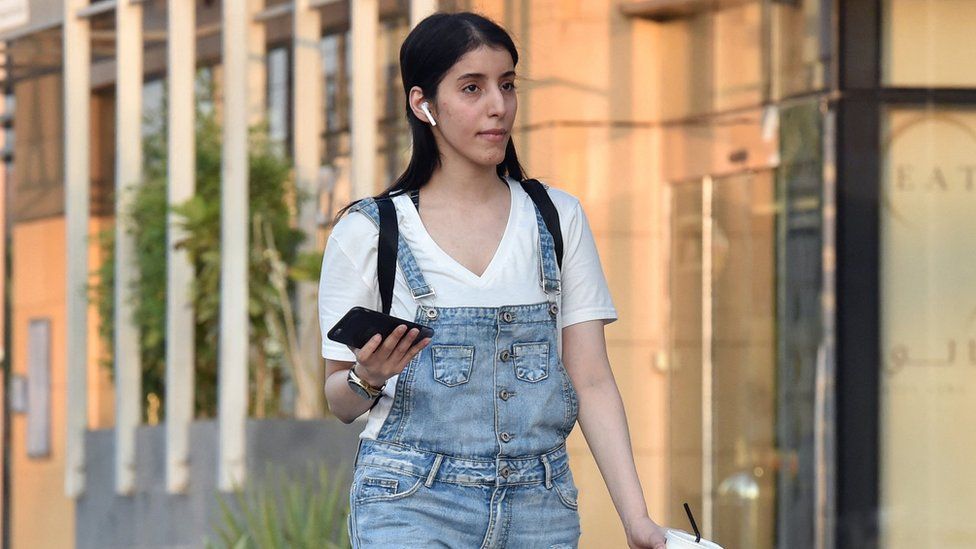
According to Saudi Arabia’s Permanent Mission in Geneva, Manahel al-Otaibi was found guilty of absurd “terrorist offenses” under articles 43 and 44 of the kingdom’s draconian Counter-Terrorism Law, criminalizing “any person who creates, launches, or uses a website or a program on a computer or on an electronic device … or to publish information on the manufacture of incendiary devices, explosives, or any other devices used in terrorist crimes“, as well as “any person who, by any means, broadcasts or publishes news, statements, false or malicious rumors, or the like for committing a terrorist crime.”

Among other accusations, Otaibi was charged by Saudi authorities for using a hashtag – translated to #societyisready – to demand an end to male guardianship rules. Her sister, Fawzia al-Otaibi, also faced accusations of not wearing appropriate clothing but managed to flee Saudi Arabia before being arrested.
Another sister, Maryam, is known for her advocacy for women's rights. She was detained, held, and eventually released in 2017 for protesting against guardianship rules.
"The sentence came as a shock," al-Otaibi's sister, Fawzia, shared. "Manahel did not do anything that deserved to be imprisoned for up to 11 years."
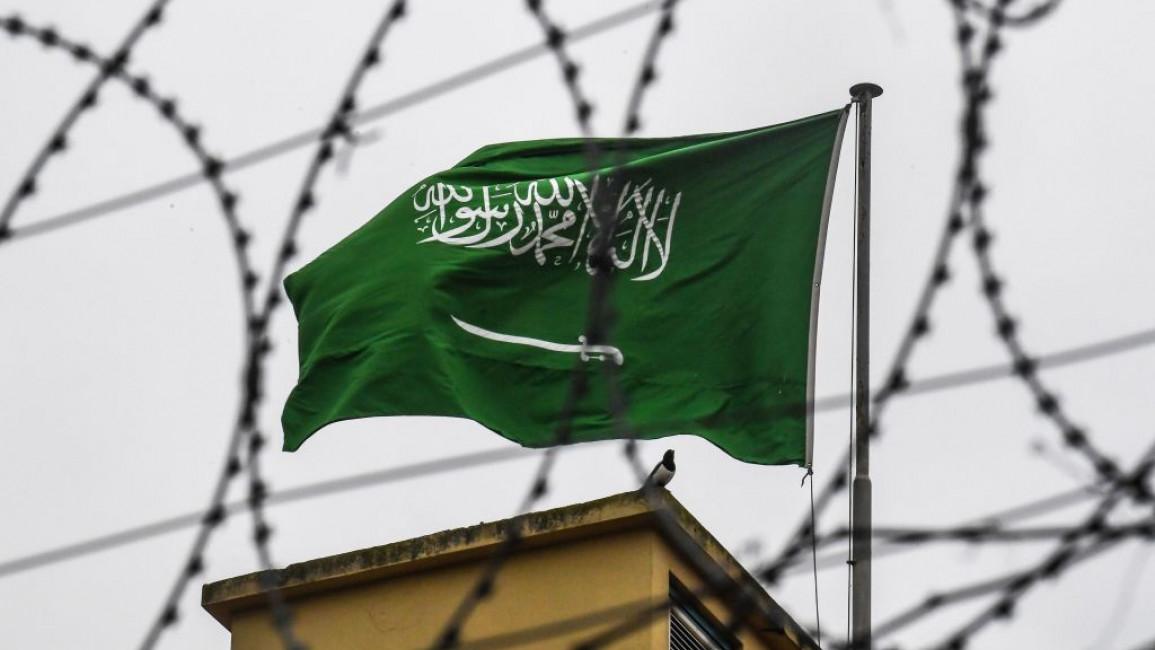
Following her arrest, al-Otaibi experienced harrowing conditions in Riyadh’s Malaz Prison. For five months, from November 5, 2023, until April 2024, she was forcibly disappeared. When she managed to contact her family again on April 14, 2024, she revealed the extent of her ordeal. Al-Otaibi disclosed that she endured solitary confinement and suffered a broken leg due to physical abuse. Shockingly, she also disclosed being denied access to essential medical care.
The severity of her sentence underscores the lengths to which Saudi authorities will go to silence dissent and maintain control. Despite the kingdom's purported reforms and promises of progress, cases like al-Otaibi’s expose the stark reality faced by activists who dare to speak out against injustice.
"What happened to Manahel is an injustice," asserted Bissan Fakih, Amnesty International’s campaigner in Saudi Arabia. "With this sentence, the Saudi authorities have exposed the hollowness of their much-touted women’s rights reforms."

What makes al-Otaibi's case particularly poignant is her previous support for Crown Prince Mohammed bin Salman's touted reforms, including purported relaxations in dress codes for women. In a cruel twist of fate, her faith in the promise of change led to her arrest and imprisonment, highlighting the arbitrary and contradictory nature of Saudi policies.
"Manahel’s confidence that she could act with freedom could have been a positive advertisement for Mohammed bin Salman’s much-touted narrative of leading women’s rights reforms in the country," said Lina Alhathloul, member of rights group ALQST. "Instead, by arresting her and now imposing this outrageous sentence on her, the Saudi authorities have once again laid bare the arbitrary and contradictory nature of their so-called reforms, and their continuing determination to control Saudi Arabia’s women."
Amnesty International and other rights groups have rightly condemned her sentencing as an "appalling and cruel injustice," calling for her immediate release and the cessation of all forms of persecution against peaceful activists.
"Since the moment she was arrested, Saudi Arabia's authorities have subjected her to a relentless catalog of abuses," lamented Fakih. "With this sentence, the Saudi authorities have demonstrated their chilling commitment to silencing peaceful dissent."
Al-Otaibi's case is not an isolated incident but rather part of a broader pattern of repression targeting women's rights activists and dissenting voices.
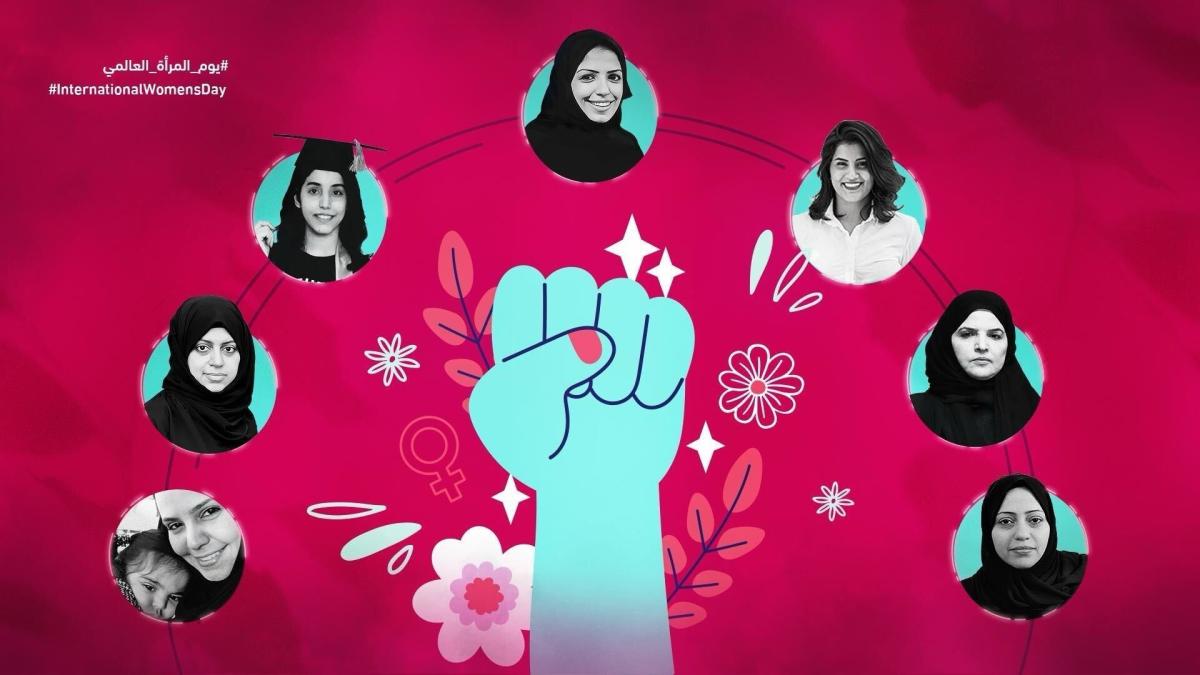
Alongside her, women such as Salma al-Shehab, Fatima al-Shawarbi, Sukaynah al-Aithan, and Nourah al-Qahtani have been targeted by the Saudi government for their online activism in advocating for women's rights.
Al-Shehab received a 27-year term, al-Shawarbi 30 years, al-Aithan 40 years, al-Qahtani 45 years, and al-Otaibi 11 years, all for expressing their views online, particularly on women's rights and societal norms. Saudi Arabia's continued crackdown on freedom of expression, both online and offline, contradicts its claims of progress and undermines efforts toward genuine reform.
