
Black Lives Matter Plaza Demolished Amid Political Pressure, Stirring National Reckoning
Some see it as necessary change, while others view it as the loss of an important historical symbol
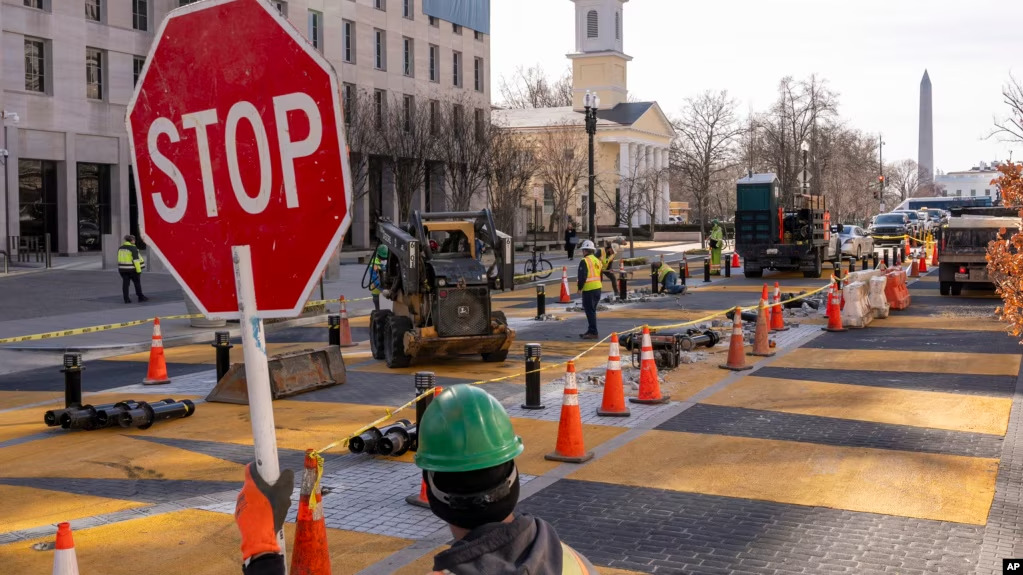
Construction crews began dismantling Black Lives Matter Plaza on Monday, following Republican-led efforts to revoke federal funding from the city unless the plaza was renamed and its mural removed.
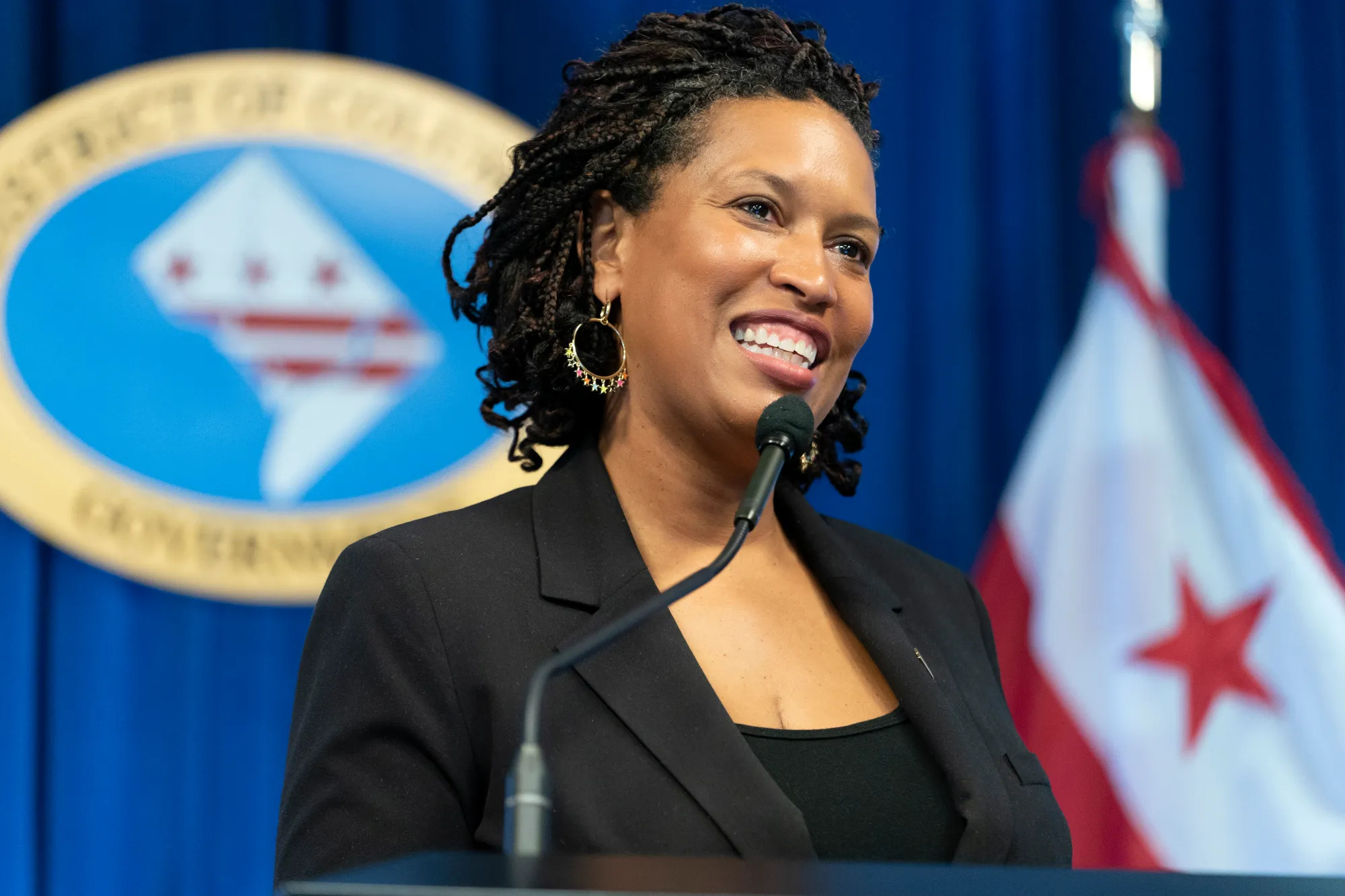 Mayor Muriel Bowser agreed to the demand, saying the city needed to focus on financial challenges. “We can’t afford to be distracted by congressional interference,” she stated, referencing a looming $1 billion budget shortfall tied to federal job cuts.
The plaza, established in June 2020 during nationwide protests against police brutality and racial injustice, featured a massive yellow mural spelling out “Black Lives Matter” along 16th Street NW.
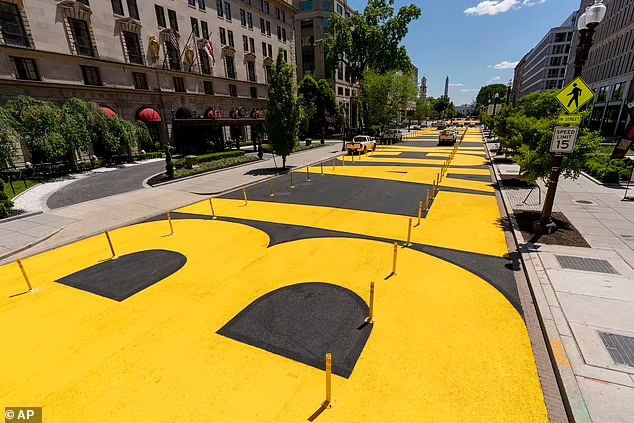 Mural was created during the 2020 protests following the murder of George Floyd
It was painted as a direct response to the killing of George Floyd by a Minneapolis police officer and was widely viewed as a rebuke to then-President Donald Trump’s handling of the protests. However, its significance was debated, with the local Black Lives Matter chapter calling it a symbolic gesture rather than a substantive policy move.
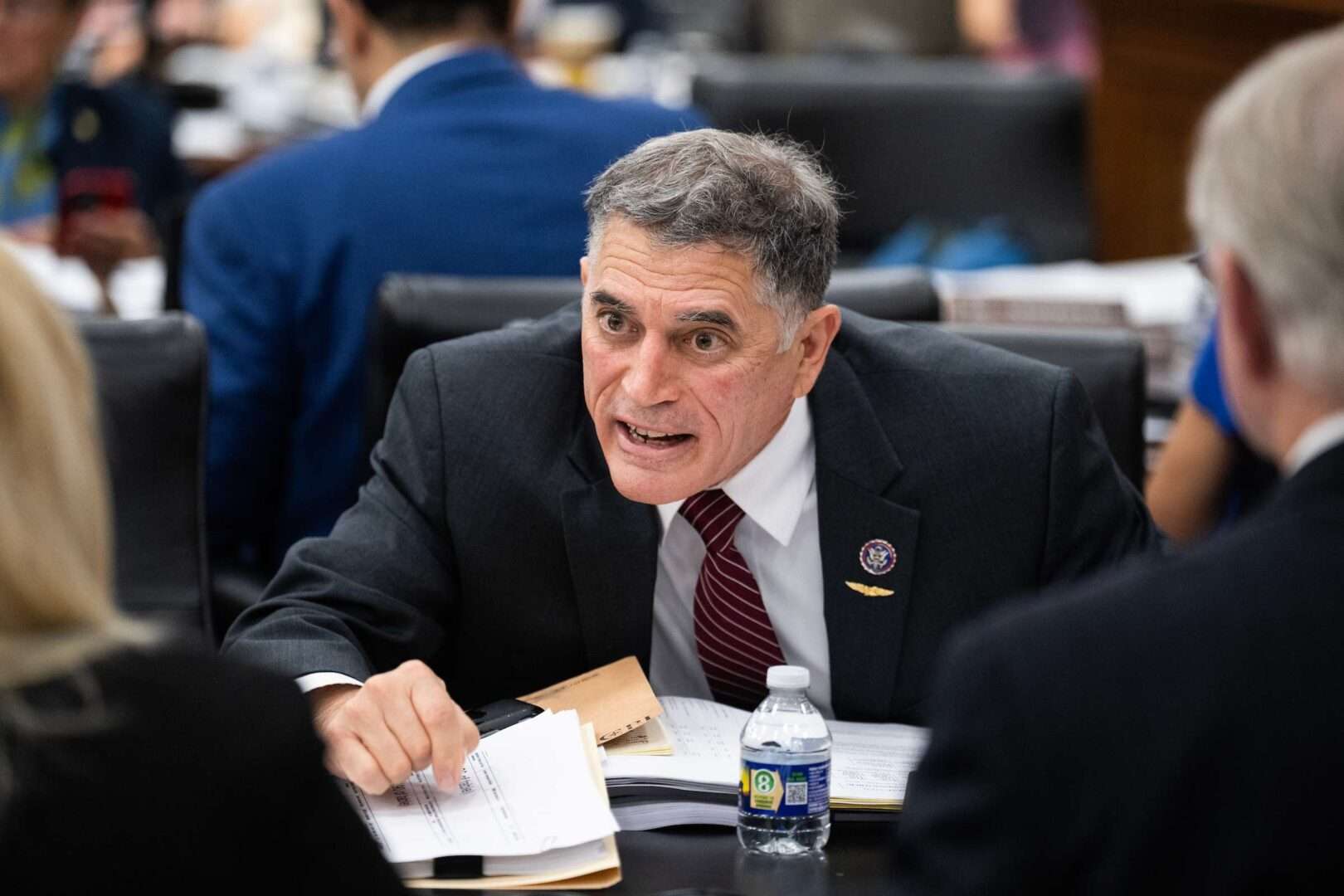 The decision to dismantle the site follows a Republican-led effort, spearheaded by Rep. Andrew Clyde (R-Ga.), to rename the area “Liberty Plaza” and remove any reference to the Black Lives Matter movement.
Clyde introduced a bill in Congress proposing to withhold federal funds from Washington, D.C., unless the changes were made. “One week after I introduced legislation to rename Black Lives Matter Plaza, workers have started dismantling it,” Clyde posted on X, celebrating the move.
With the Republican-controlled Congress exerting increasing influence over the city’s governance, Bowser faced limited options.
While she publicly opposed the bill, she ultimately allowed the removal to proceed, stating, “The mural inspired millions of people and helped our city through a painful period, but now we can’t afford to be distracted by congressional interference.”
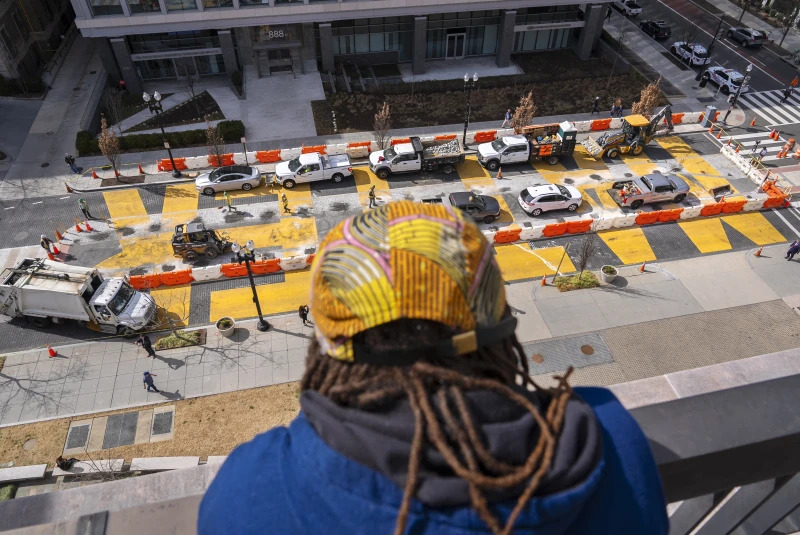 From the top of a building view of the Black Lives Matter mural as demolition begins
As crews broke up the pavement, D.C. resident Dianne Bradley watched and said, “They can tear up the street, but they can’t erase what happened here.” Keyonna Jones, an artist who helped paint the mural, shared mixed feelings: “It was an honor to be part of this. Art speaks without words.”
Others, like activist Starlette Thomas, saved pieces of the broken pavement. “Taking a piece home means it’s not really gone,” she said.
"You can dig up concrete but you cannot erase history," said DC resident Dianne Bradley.
Another activist argues that the plaza’s removal is part of a broader effort to suppress racial justice discourse. The Black Lives Matter Global Network Foundation criticized the decision, stating, “You can’t erase the truth.”
The mural’s removal is part of wider Republican efforts to limit D.C.’s ability to govern itself, including a proposed law called the “BOWSER Act” that would take away the city’s limited independence.
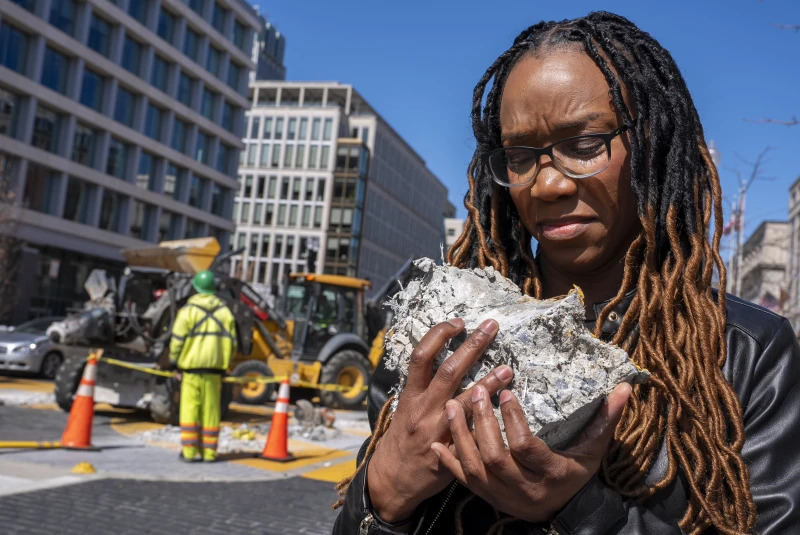 Emotional Starlette Thomas, of Bowie, Md., as she holds a chunk of pavement from the Black Lives Matter mural
Local activist Nee Taylor was even more direct, accusing Bowser of hypocrisy: “You never cared about Black Lives Matter. You painting those words was performative.”
Meanwhile, conservative voices welcomed the change. Chaya Raichik, who runs the “Libs of TikTok” account, posted, “The world is healing.” A talk show host, Cash Loren, wrote, “America wins as the plaza comes down.”
The removal process is expected to take approximately six weeks. The Washington, D.C. Department of Transportation has announced plans to replace the mural with a new city-sponsored design as part of the “America 250” mural project, celebrating the nation’s 250th anniversary in 2026.
Bowser stated, “We have long considered Black Lives Matter Plaza’s evolution, and the plaza will be part of D.C.'s America 250 mural project, where we will invite students and artists to create new murals across all eight wards.”
