
Insights from Dr. Shiza Khan on COVID-19 Symptoms and Prevention
Hosted by Dr. Khan, this episode aimed to educate and inform listeners about the ongoing relevance of COVID-19 precautions and the evolution of our understanding of the virus
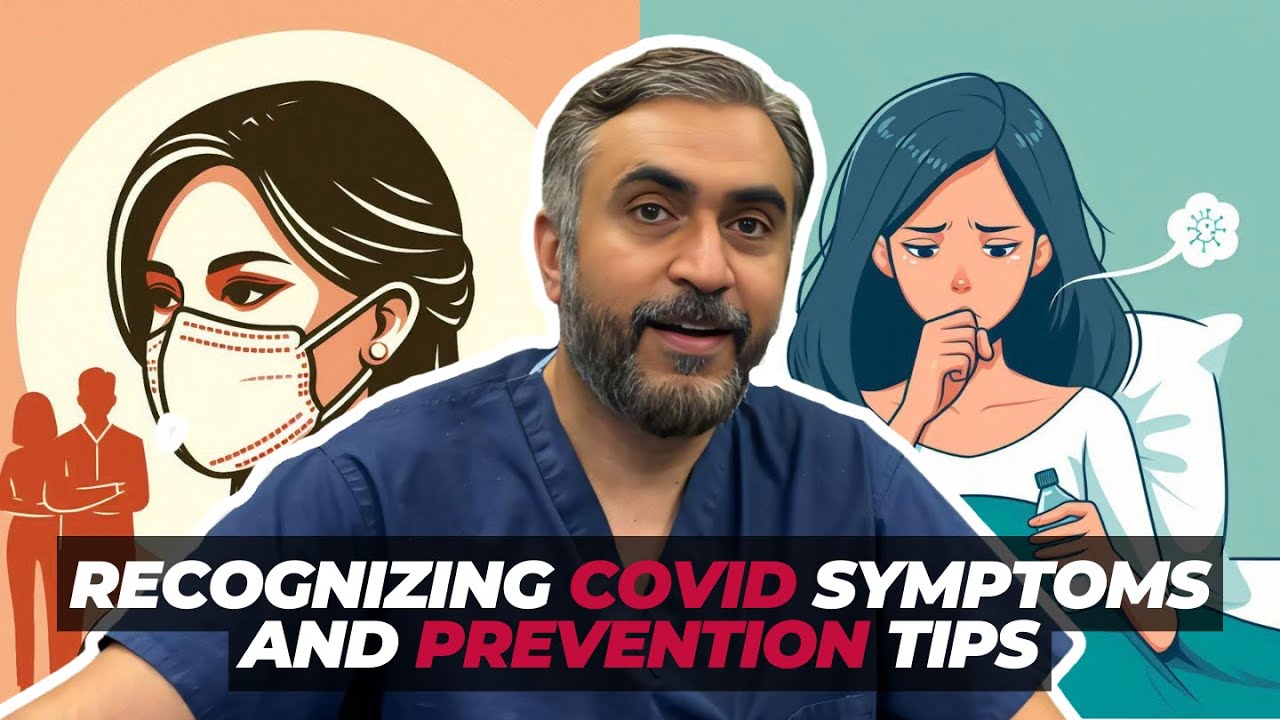
The COVID-19 pandemic has been a global health crisis, with the novel coronavirus SARS-CoV-2 causing widespread illness and disruption since its emergence in late 2019. As of July 2024, there have been over 704 million confirmed COVID-19 cases and 7 million deaths reported worldwide.
Dr. Shiza, a qualified physician with an MBBS degree residing in Pakistan, shares her insights and experiences with the Coronavirus. The conversation covers the history of coronaviruses, the current state of the pandemic, and the impact of COVID-19 on healthcare systems worldwide.
Dr. Shiza also provides detailed explanations of testing methods and vaccines, offering valuable information on how to navigate the ongoing challenges of the pandemic.
What is COVID-19 and who is most at risk?
Coronavirus disease is an infectious disease caused by the SARS-CoV-2 virus. Most people infected with this virus will experience mild to moderate respiratory illness and can recover without requiring special treatment. However, severe symptoms can occur in older people and those with underlying conditions like cardiovascular diseases, diabetes, hypertension, or immunocompromised patients.
Can you provide a brief history of the coronavirus?
Scientists first identified a human coronavirus in 1965, which was a common cold virus. There have been different outbreaks of coronaviruses with various strains, such as the SARS outbreak in southern China in 2002 and the MERS outbreak in Saudi Arabia in 2012. The virus that causes COVID-19, SARS-CoV-2, appeared in November 2019, with a large cluster emerging in Wuhan, China, in December 2019.
How is COVID-19 transmitted?
COVID-19 is primarily transmitted from person to person through respiratory droplets. When an infected person coughs, sneezes, talks, or breathes, these droplets can be inhaled by others. These droplets can also contaminate surfaces, and when an uninfected person touches these surfaces and then their face, they can become infected.
What are the common symptoms of COVID-19?
Common symptoms include shortness of breath, difficulty breathing, fever, chills, muscle or body aches, vomiting, diarrhea and loss of sense of smell or taste. Some people may be asymptomatic, meaning they have the virus but do not show any symptoms.
How can COVID-19 be prevented?
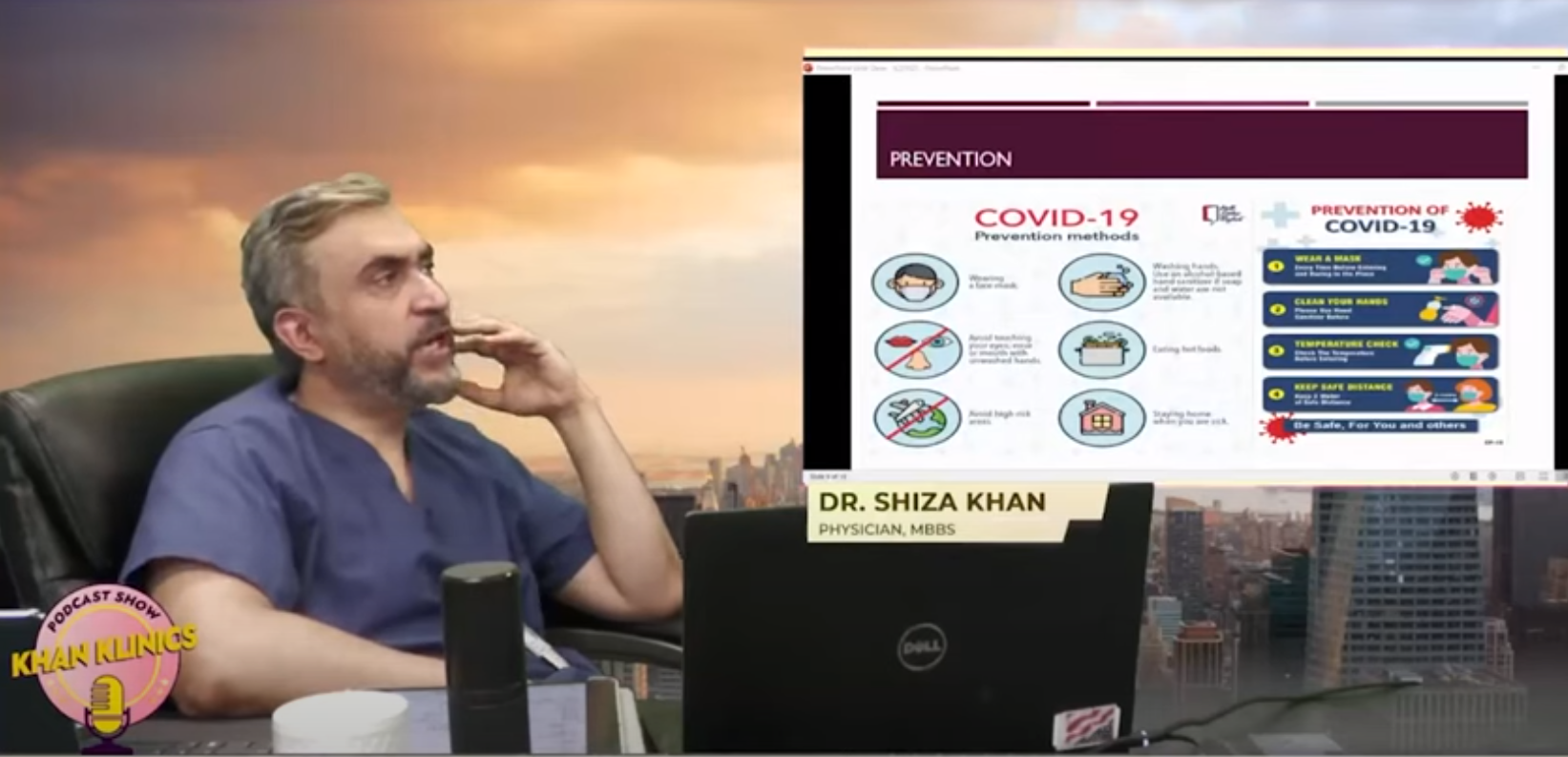
COVID-19 can be prevented by wearing a face mask, avoiding unnecessary touching of the nose, eyes and mouth, washing hands frequently, staying at home, maintaining a safe distance of at least two meters, and avoiding travel to high-risk areas.
What are the testing methods for COVID-19?
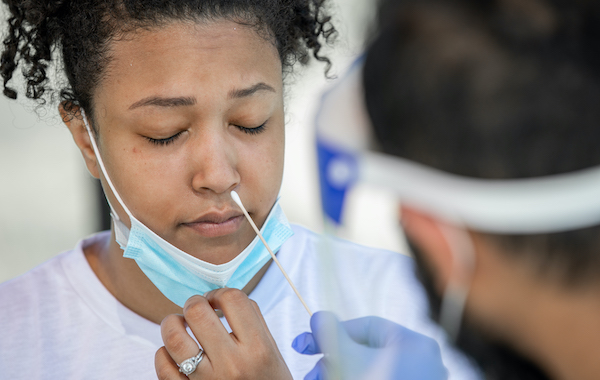
We use PCR (polymerase chain reaction) tests, which involve taking swabs from the nasal and oropharyngeal cavities. Blood tests can also show if a patient has COVID-19 by detecting raised levels of IgM and IgG antibodies. PCR tests are 60 to 80% sensitive, and at least two tests are recommended to confirm COVID-19.
What treatments are available for COVID-19?
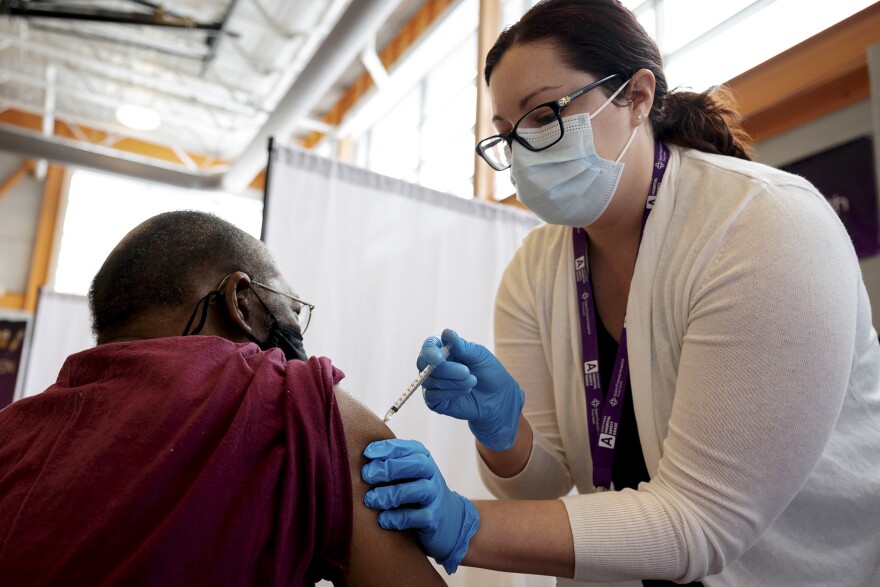
For treatment, we have antiviral medications that disrupt the virus's ability to replicate and spread within the body, recommended for hospitalized patients requiring oxygen. Dexamethasone, a corticosteroid, can be used for patients needing oxygen or on mechanical ventilation. Vaccines like Pfizer, AstraZeneca, Sputnik V and Moderna are also available for prevention.
How has the world changed post-COVID?
The pandemic has accelerated technological transformation, with a boost in work-from-home practices and online shopping. It has also revolutionized the healthcare sector, with countries collaborating to develop cures and preventive measures. The pandemic has brought the world together in fighting global issues, such as climate change and pandemics.
“Khan Klinics”, powered by American Muslim Today, is streamed live every Friday at 3 p.m. CST on YouTube and Facebook. For the full interview and additional topics subscribe to our YouTube Channel.
