
Extremist Group Attack on Shiite Mosque in Muscat Leaves Six Dead During Ashura
The attack on Ali bin Abi Talib mosque in Muscat, resulted in six deaths, including four Pakistani nationals, an Indian national, and an Omani police officer
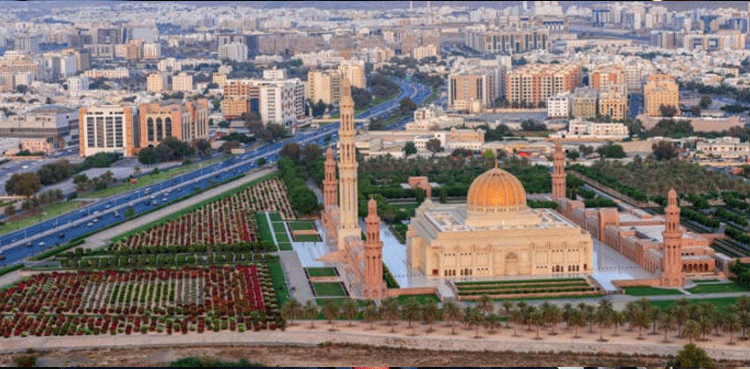
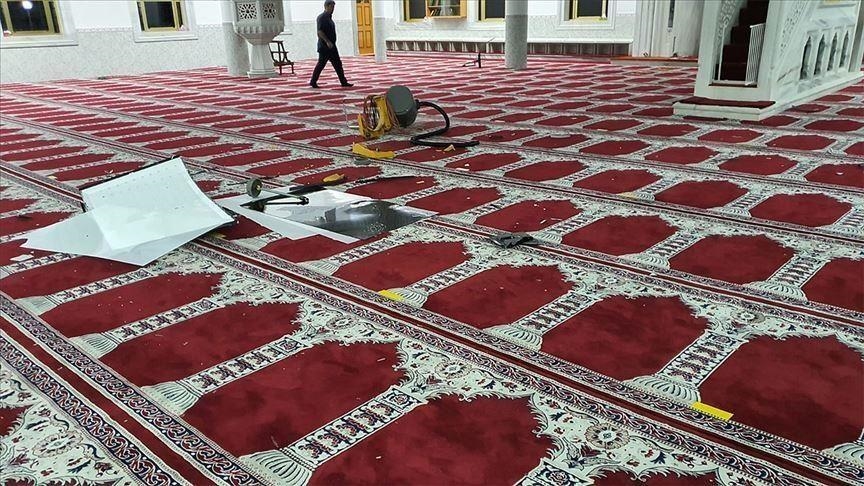
The Islamic State (IS) group has claimed responsibility for a deadly attack at the Ali bin Abi Talib mosque in Muscat, Oman, resulting in the deaths of six people and injuries to nearly 30 others.
The assault took place on Monday, July 15, 2024, in the Wadi al-Kabir neighborhood of Muscat, marking the first time IS has targeted Oman, a country known for its religious tolerance and stability.
The attack was meticulously planned and executed by three gunmen who targeted the Shiite worshippers gathered for Ashura, a significant holy mourning period. This annual observance commemorates the 7th-century martyrdom of Imam Hussein, the grandson of the Prophet Muhammad.
IS, a Sunni extremist group, considers Shiites as heretics and has a history of targeting them during their religious observances. This attack reflects the group's broader strategy of inciting sectarian violence and destabilizing regions considered safe and stable.
The victims of this brutal assault included four Pakistani nationals, an Indian national, and an Omani police officer. The attackers opened fire as worshippers gathered for evening prayers, resulting in chaos and panic. The Royal Oman Police engaged in a prolonged gunfight with the attackers, which lasted until the early hours of the next morning, ultimately killing the three gunmen.
In a statement, IS claimed that their "suicide attackers" carried out the assault, and they released a video on their Telegram site showing gunmen firing from a raised position. This footage, which circulated widely on social media, added to the fear and uncertainty surrounding the event.
 The Royal Oman Police have launched an investigation into the incident, which they have classified as a "terrorist attack." The motive behind the attack, while officially undisclosed, aligns with IS's long-standing objective of targeting Shiite communities to incite sectarian strife. Omani authorities have not yet released the identities of the attackers, nor have they made any arrests in connection with the attack.
The international response has been swift and condemnatory. Pakistan, India and Iran have all denounced the attack and expressed their support for Oman.
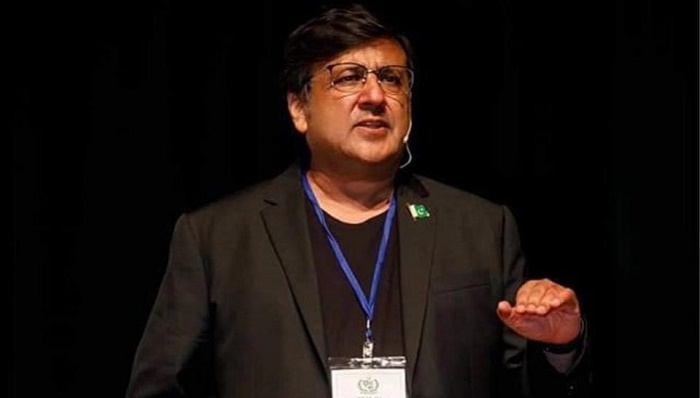
Pakistan's ambassador to Muscat, Imran Ali, described the event as "an unprecedented event … the likes of it we have not seen in Oman’s history." He reported that most of the victims were being treated for gunshot wounds, while others sustained injuries during the chaotic escape, including being crushed in a stampede.
Iran's foreign ministry spokesman, Nasser Kanani, condemned the shooting as a "divisive" act.
Experts have expressed concerns that this attack might signify a strategic shift for IS, as the group attempts to reassert its influence through high-profile attacks.
 Aaron Y. Zelin, a senior fellow at the Washington Institute for Near East Policy, noted, "It illustrates that ISIS thinks outside of the box and tries to do things that most people think wouldn’t be possible, taking advantage of small failures within security architectures of different countries."
Oman's peaceful reputation and its strategic role as a mediator in regional conflicts make this attack particularly concerning. The country, which predominantly follows the Ibadi sect of Islam, has historically avoided the sectarian conflicts common in other parts of the Middle East.
This attack, however, highlights the vulnerabilities even in countries considered secure and stable. The U.S. Embassy in Muscat issued a security alert, advising American citizens in Oman to remain vigilant and adhere to local authorities' guidance.
Saudi Arabia also praised Omani authorities for their swift and efficient response, expressing "sincere condolences and sympathy to the families of the victims" and wishing a "speedy recovery for the injured." This regional solidarity underscores the collective commitment to combating extremism and ensuring the safety and stability of the Gulf states.
The ISIL attack in Oman comes after incidents in Russia and Iran. In March, the group claimed responsibility for an attack at a concert hall near Moscow that killed over 140 people, and in January, it acknowledged two explosions in Kerman resulting in nearly 100 deaths.
As the investigation continues, Oman and its allies are working to understand the full implications of this unprecedented attack.
