
Making History - First South Asian, Muslim Female Attorney Becomes UK’s Law Society President
Lawyer, Lubna Shuja, made allies in unlikely places, improved the lives of her peers and stayed true to her faith while serving the public through her profession
Standing in an early 90s U.K. pub holding her glass of orange juice, surrounded by white male colleagues, Lubna Shuja felt alien in the profession she had chosen to pursue. She knew that in order to have success as a lawyer, she would need to make connections.
As a Muslim woman from a working-class family, Shuja did not have the same network of higher-ups as her peers who came from privileged backgrounds.
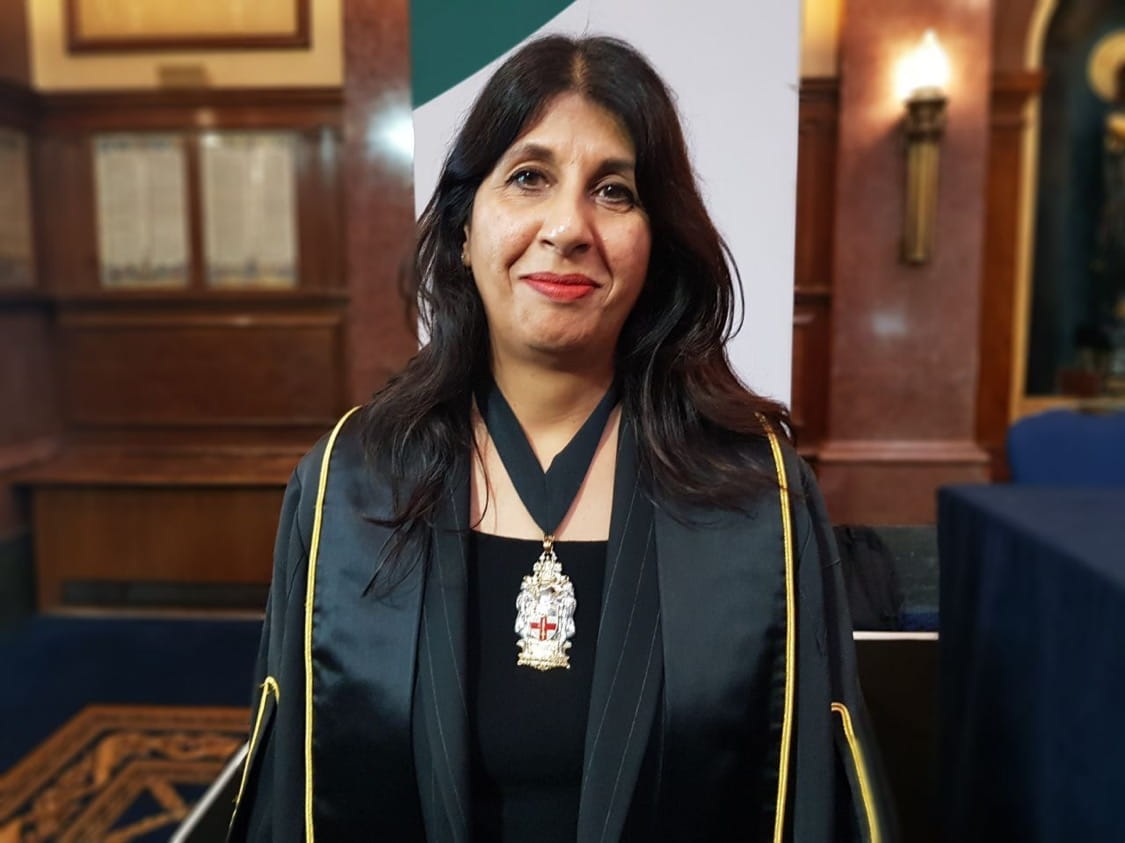 3o years later, Shuja has made legal history after being appointed as the first Asian, first Muslim and only the seventh female President of The Law Society in its nearly 200-year history.
“I think it's a real indication of how much our profession is changing,” said Shuja. “I'm really delighted that we're starting to see that change and I certainly hope that although I am the first one, I will not be the last one.”
When she became a lawyer 3 decades ago, there were not many minorities working in the legal field and even fewer women. Today, 18 percent of the lawyers serving as part of the Law Society of England and Wales are from an Asian, Black or ethnic minority background and 53 percent are women.
“Having a diverse workforce is really important to attracting diverse clients, but equally a diverse workforce means that you have the diversity of thought,” said Shuja who is the sole practitioner at her firm, Legal Swan Solicitors, established in 2007.
 In her time as president, Shuja plans to improve the legal options available to the public, especially access for those who can’t afford it. She says due to a 25-year plateau in wage increases for solicitors and failing infrastructure, many are leaving the field therefore leaving jurisdictions without legal aid.
Attorneys, who are referred to as solicitors in the U.K. and Australia, offer legal aid to those on low incomes from lawyers registered as part of the Law Society. Solicitors provide counsel on matters such as marriage, divorce and Wills. Contract law and other contract legal matters.
“I want people to understand why solicitors are valuable and why they're so important in society,” said Shuja. “Generally people only really understand that when they need to use a solicitor and that's when they're in a time of crisis, or when they're in trouble or when they just need advice on a particular matter.”
 One of her earliest personal achievements was a win for gender equality in 1992, as she pushed back on an archaic rule that women could not wear pants in court. This presented an issue for Shuja who as a Muslim woman wanted to be modestly covered and ankle-length skirt suits were not readily available.
She tells the story of a woman who a judge refused to see in court because she wasn’t wearing a skirt. After five years, she was finally able to lobby her then-firm to help change the rule to allow women to wear pants in court.
“I managed to persuade them that they had to change this rule of no trousers for women because it discriminated against me as a woman and discriminated against me as a Muslim and discriminated against all the women in the firm,” said Shuja.
Shuja says she understands the importance of being able to represent every member of the public, especially those who are most vulnerable. “We need to show that the legal profession is welcoming to anyone and everyone no matter your background, your social class, your wealth, your faith, your work,” said Shuja.
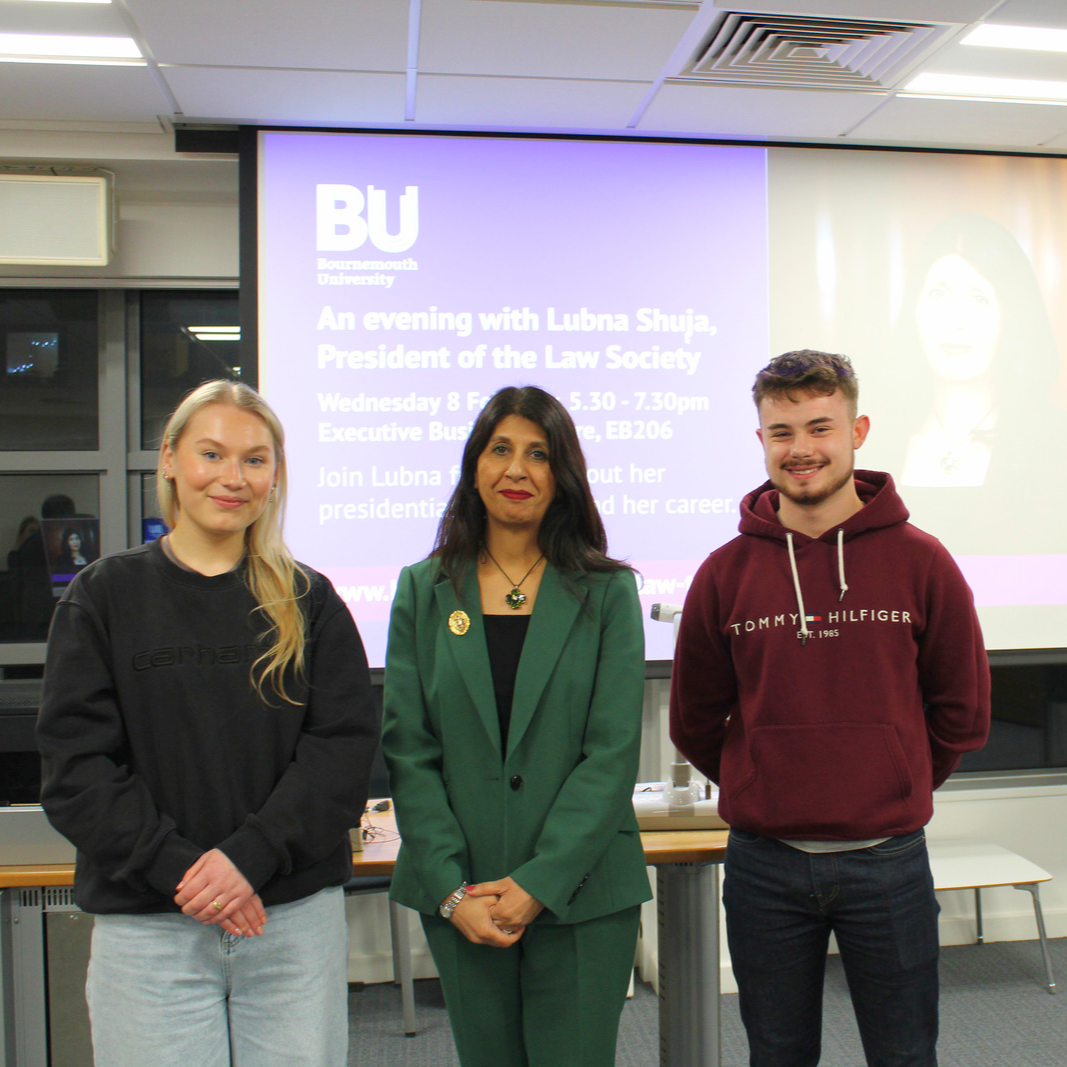 “We are open to everybody and anyone who has the talent, anyone who has the ambition. They should be able to join the legal profession and be able to progress within it because we should reflect the society that we serve.”
In her time as a lawyer, Shuja has never had to compromise her faith, which is part of her identity and a source of strength. Instead, she argues being authentic to who you are can be seen as an advantage.
“Your faith will bring something to the role. … you will have a different perspective from other people,” said Shuja. “You will attract different clients from other people. Don't hide who you are, embrace who you are because people respect you for that.”
