
India’s mosque profiling exercise fuels distrust and anxiety among Kashmiri Muslims
The profiling in Kashmir is raising alarm as authorities collect detailed data on mosques and clerics, sparking fears over privacy, surveillance, and state control of religious life
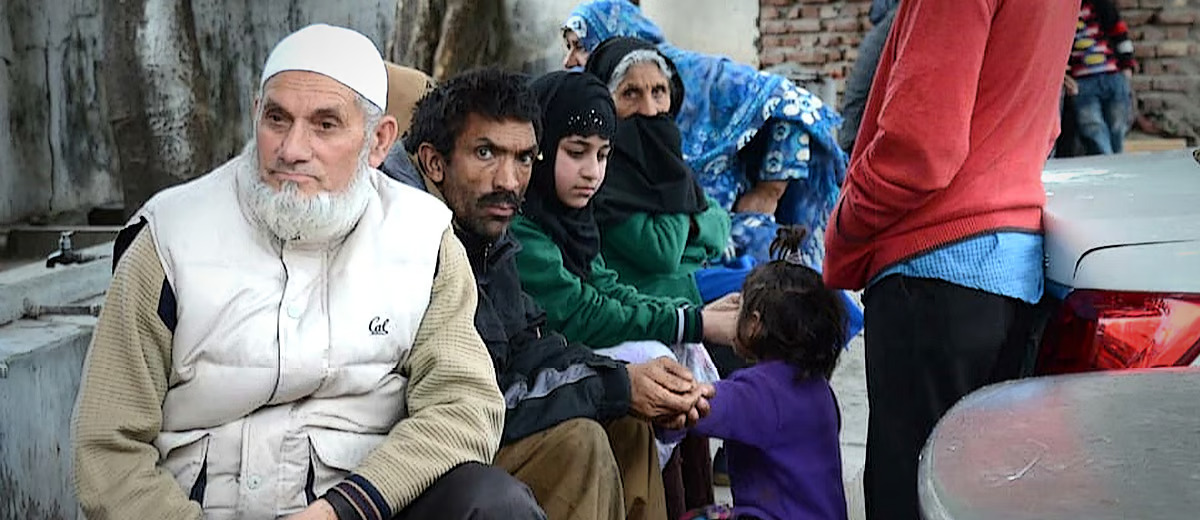
Residents and religious leaders in Indian-administered Kashmir are raising concerns over a police initiative that is collecting detailed information about mosques and their personnel, which many say amounts to intrusive surveillance and an unprecedented state intrusion into religious life.
Earlier this month, Jammu and Kashmir police distributed multi-page forms titled “profiling of mosques.”
The forms request exhaustive details about religious institutions and the people associated with them.
One page focuses on the mosque itself, asking for its ideological sect, founding year, funding sources, monthly expenditures, seating capacity, and land ownership. The remaining pages seek personal information on imams, khatibs, muezzins, and others, including mobile numbers, email addresses, passports, bank and credit card details, social media handles, and links to relatives abroad.
Similar forms have been circulated for madrasas, or Islamic religious schools.
“A creeping intrusion into spiritual life”
For many Kashmiris, the forms have revived deep-seated fears about the erosion of religious autonomy.
“This is not a place where you can live in peace. Every now and then, we are asked to fill out one form or another,” said Mohammad Nawaz Khan, 41, whose father heads a neighborhood mosque committee.
“They are asking for unusually detailed information…Keeping such detailed records is not safe for families like mine. In a conflict area like Kashmir, this can have serious consequences.”
Religious bodies also oppose the profiling.
The largest umbrella group of Islamic scholars in Kashmir described the exercise as intrusive, saying mosques are sacred spaces meant for worship, guidance, and community service, not state surveillance.
Hafiz Nasir Mir, an imam in Srinagar’s Lal Bazar area, said, “If this were just paperwork, the police would not have been asking for so many personal details repeatedly. They also want information about relatives abroad…When authorities start asking for such details at this level, it makes you worry how the information might be used later.”
Religious freedoms in a restricted region
The profiling occurs in the context of broader constraints on religious and civil freedoms in Kashmir.
Authorities have increased oversight of mosques since the region’s special constitutional status was revoked in 2019, and major sites, including Srinagar’s Jamia Masjid, have faced prolonged closures and restrictions on congregation sizes.
Political leaders say the survey exacerbates perceptions that the state is tightening control over civic and religious life.
Critics argue that it disproportionately targets Muslim institutions and undermines trust in government agencies, while defenders within security circles claim the exercise is intended to ensure accountability and prevent misuse of mosques for political mobilization.
Tensions over trust and privacy
Residents fear the profiling could extend to monitoring sermons and religious instruction, potentially requiring clerics to obtain prior approval for Friday prayers.
“I can see a future where we, the prayer leaders, will have to deliver sermons only after police approval,” said Mir.
For many in the region, the exercise is seen less as an administrative measure and more as a tool for control — deepening anxiety and fueling perceptions of discrimination at a time when religious freedom and privacy are already fragile.
