
Chronicling COVID-19's Deadly Impact On Kidney Diseases
Nephrologist Dr. Ammar Haque looks back at the deadly impact of the pandemic on his patients and gives his prognosis for the future as Flu season looms.

My patient population are people who already have kidney disease, but I have also had patients who had no previous problems before they were hospitalized with kidney failure from COVID-19. After contracting the illness, they stopped making urine, shut down and needed to go on life support and dialysis. These patients had no prior medical problems, but because of COVID-19’s severity, they tragically ended up with kidney failure.
Thankfully, the ones that have recovered no longer have kidney failure and are off dialysis. Their kidneys haven’t fully recovered, but being off dialysis is a good thing. It’s like this: if they went in with 100 percent kidney function, after dialysis, they were at zero percent. Now that they’re off dialysis, they’re at 50 percent. Of course, this means they haven’t recovered 100 percent of their kidney function and they have chronic kidney disease for the rest of their life. But these are the kidney complications people are getting from COVID-19.
COVID-19 related infections in patients with kidney issues
Patients who have kidney disease are at an increased risk of having complications from COVID-19 just because kidneys are usually an end organ, so whenever a kidney is involved, their immune system is lower and they are more affected in that regard.
The thing with COVID-19 is that it affects everyone differently. It depends on your immune system. Some people have a better immune system, some don’t. The general statement is kidney patients are more immunocompromised so they’re at a higher risk of having complications from COVID-19, but that doesn’t mean that all kidney patients might die from it. I have had patients who have chronic kidney disease, have had COVID-19, been asymptomatic and did not require hospitalization. Then, I’ve had patients that have not done well and passed away because of COVID-19 complications.
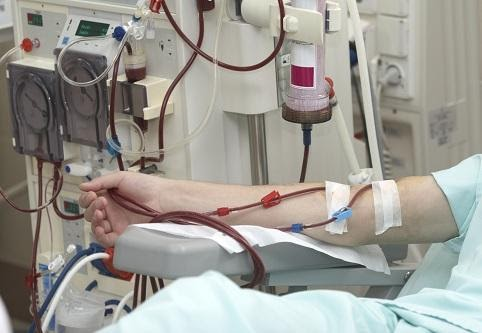
Illnesses that exacerbate kidney-related issues with COVID-19Someone with high blood pressure and diabetes are the most affected80 percent of my kidney patients have both these issues. Most kidney problems are due to a combination of high blood pressure, diabetes, obesity and metabolic syndrome issues. They are also more likely to develop kidney issues after being affected with COVID-19.
Precautions to prevent kidney injury when affected with COVID-19
Once you get COVID-19 and it progresses, it basically causes a systemic response and your whole body goes into shock. So, there is nothing that you can really do other than the same thing you’d do to take care of your kidneys in general. Just hydrate yourself and don’t take any medicine that harms the kidneys.
For instance, if you have a fever, it is recommended that you take Tylenol. You are discouraged from taking Ibuprofen because it increases the inflammatory response of the virus and then actually accelerates the disease process.
Practical advice for patients with kidney issues to prevent COVID-19
Social distance, wash your hands frequently and make sure you’re not in large crowds. If you need groceries, try to get someone else to do it for you. If you are forced to shop in person make sure that you wear a mask, adequate gear and wash your hands frequently. Those are of course recommendations for everyone.
 Image courtesy of UnsplashThe problem with COVID-19 is you don’t know who has what. You can go to the store and get it from someone who is completely asymptomatic or maybe a carrier. Not just strangers, you could get it from a family member. It could be from your kid who’s going to school.
Fortunately, a lot of my patients on dialysis are older, they don’t have small children, but those that are younger, who have kidney disease and have small children, they’re really at risk especially if their child is asymptomatic and comes in contact with them.
Demographic with the most incidence of COVID-19
I practice in Waxahachie where generally the people who are essential workers and don’t have the luxury of staying at home are the ones at high risk. The patients that I have seen with COVID-19 are Walmart employees or people whose job requires them to go out in the community. Also nursing home patients, because of their age, and it just spreads like wildfire in nursing homes.
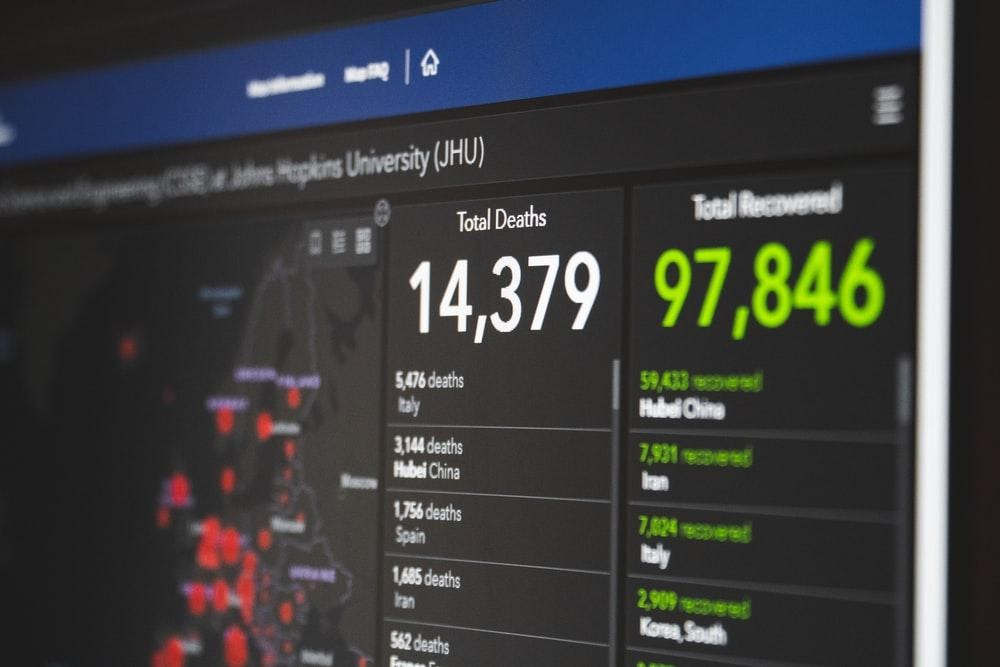 Image courtesy of Unsplash
Prognosis for the future
I don’t think anyone knows the answer to what our future looks like. I want to see what happens when people start going back to school and college. The teachers are the ones who are at risk, not really the students, so we’ll see how they do and how that’s controlled. Flu season is coming, too. We’re going to have to think about how we are going to deal with that and COVID-19 combined.
When we were seeing the surge that took place in New York, everyone was gearing up to get ventilators for COVID-19 patients, but we didn’t really have any dialysis machines. Thankfully we (Texas) never got as bad as New York, but if we had, we would’ve had to make some tough decisions about which patients were going to get the resources and which patients weren’t. That was something doctors and nephrologists feared the most.
Right now, the curve in Texas is going down and we are seeing less and less positive cases per day. This is because we have a lot more information about how we’re managing it. Unfortunately, until we have a vaccine and people actually get it, I think it’s going to be a while before things will get back to normality.

Dr. Ammar Haque is a board-certified internal medicine doctor and Nephrologist. In practice since 2012, currently he works with the Dallas Renal group at Baylor Hospital.
