
Are We Overlooking the Silent Scars of Racism on Our Kids?
Behind confidence, smiles, and success, many children quietly carry wounds of exclusion and broken belonging
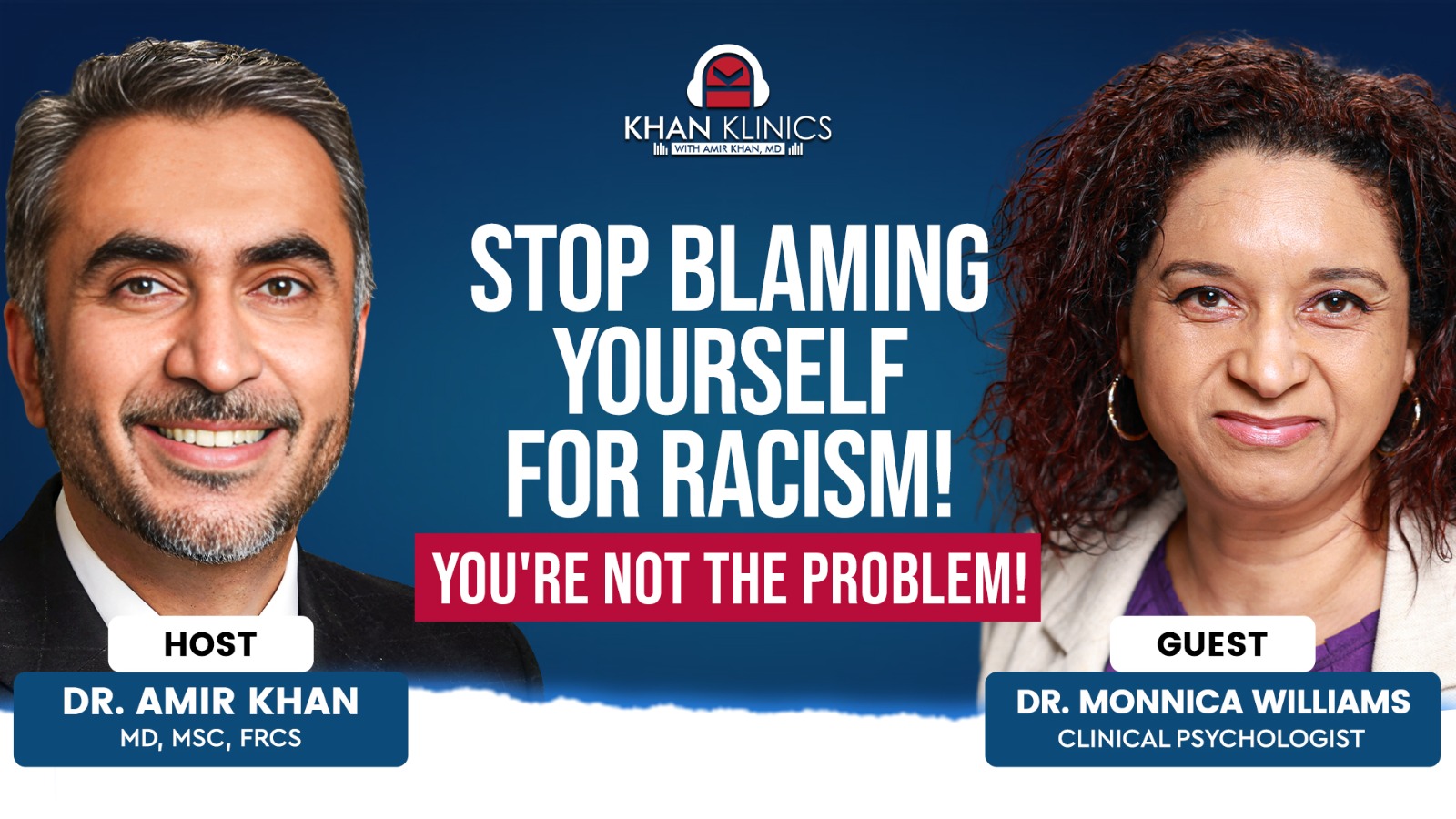
In this powerful episode of Khan Klinics, powered by American Muslim Today, Dr. Amir Khan spoke with Dr. Monnica Williams, clinical psychologist and professor at the University of Ottawa. Known for her groundbreaking research on race-based trauma and cultural identity, Dr. Williams has redefined how the world understands the hidden toll of racism on families and children.
What Racism Does to a Child’s Heart and Mind
Behind a child’s smile, there can be pain adults often miss. Dr. Khan asked how racism affects children in ways that are not always visible. Dr. Williams explained that it doesn’t just hurt feelings—it leaves deep emotional scars. She described race-based traumatic stress, which can show up as worry, constant fear, or shame that stays long after the experience is over. “These are not small wounds. They change how a child sees the world—and how they see themselves,” she said.
Why Do Kids Find More Comfort in Video Games?
Dr. Khan asked why feeling included matters so much for children. Dr. Williams explained it simply, “Every child needs to feel accepted,” she said. “When they don’t, it slowly eats away at their confidence.” Kids who feel left out may hide behind video games, pull away from family, or sink into sadness. “No child should have to struggle just to feel wanted,” she warned.
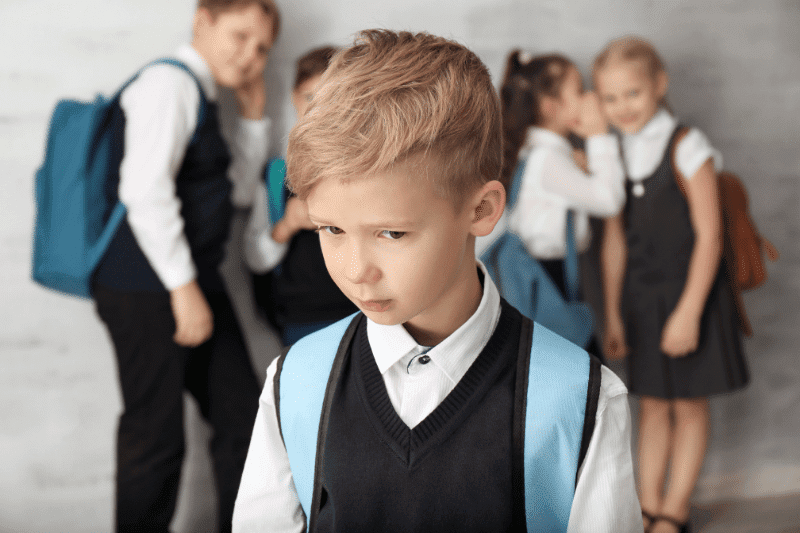 A child feeling left out at school
 The Forgotten Parenting Skill That Protects Children Most
The talk shifted to what parents can do to protect their children in a world where exclusion still exists. Dr. Khan asked about solutions, and Dr. Williams gave a clear answer: build cultural pride at home. Family traditions, stories, and simple rituals help kids feel strong and grounded. “When children know who they are and where they come from, they stand taller,” she explained. “Reminding kids of their roots gives them more protection than we often realize.”
From Helpless to Hopeful: Steps Parents Can Take
Dr. Khan asked Dr. Williams to share practical advice for parents who feel powerless. She pointed to simple but powerful steps. Talk openly about racism instead of staying silent, make home the safest place for acceptance, and model pride in your own identity. “Name the hurt,” she urged. “Silence only makes kids feel ashamed.” These daily actions, she emphasized, build resilience more effectively than lectures or punishments.
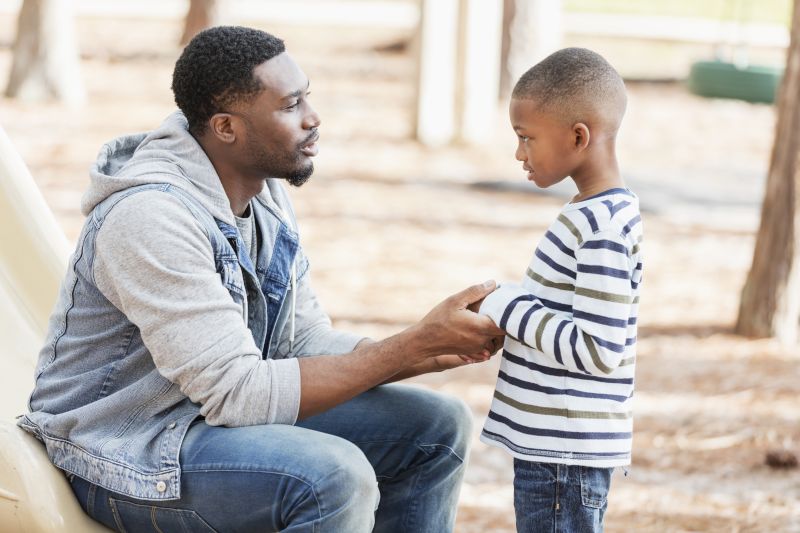 Father asks his son about his day
 Teachers Teach, But Parents Build Confidence
As the conversation closed, Dr. Khan asked for her final message. Dr. Williams responded with conviction, “Don’t wait for schools or systems to fix this. Healing begins at home, in the daily words and actions that show children they matter.” Dr. Khan agreed, reminding families that real strength is not born from control but from connection, love, and pride. Together, they left parents with a call to build roots strong enough for children to stand tall against life’s storms.
For a fresh, science-backed take on health and well-being, subscribe to Khan Klinics powered by AMT. Stay informed and empowered.
