
Last Paris Olympics Gold Medalist Lauded for Subtle Yet Impactful Hijab Gesture during Closing Ceremony
France faced widespread criticism for its hijab ban, which the government defended as dedication to secularism
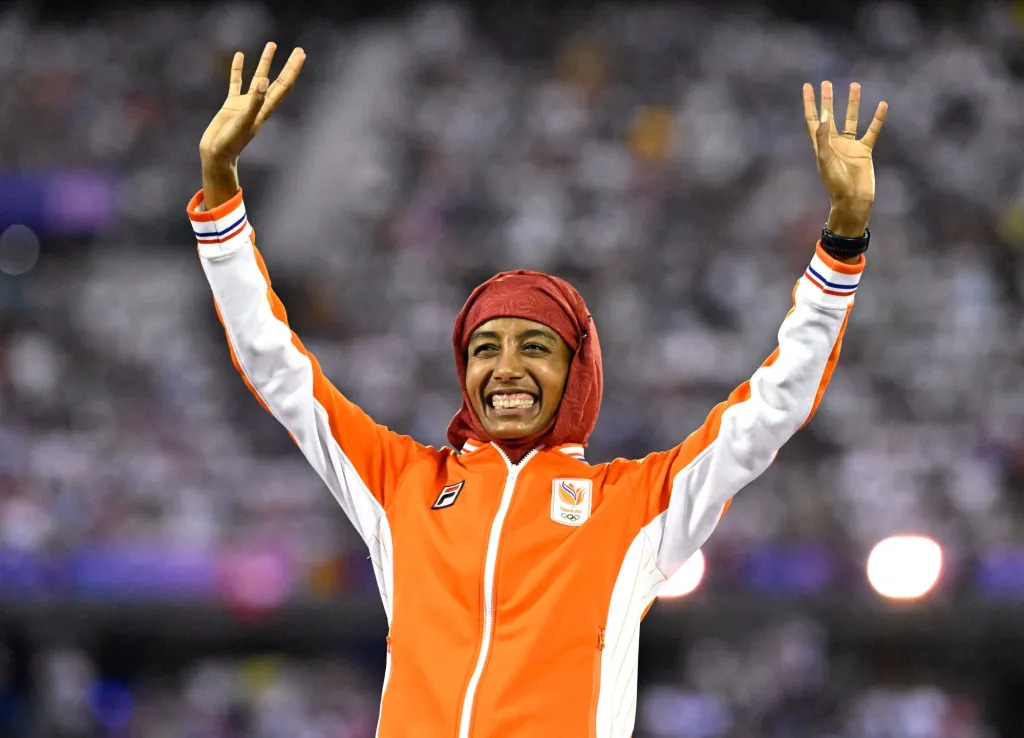
In a moment that captivated onlookers, Ifan Hassan was celebrated for wearing a hijab as she accepted her gold medal at the final ceremony of the Paris Olympics.
The Dutch runner delivered a remarkable performance, surging ahead in the final 250 meters of the women’s marathon to clinch the gold with a record-breaking time of 2:22:55.
At her medal presentation at the Stade de France, Hassan wore a maroon hijab and an orange tracksuit, a choice that struck a chord with many fans.
This display was particularly poignant given France’s ban on Olympic athletes wearing such head coverings.
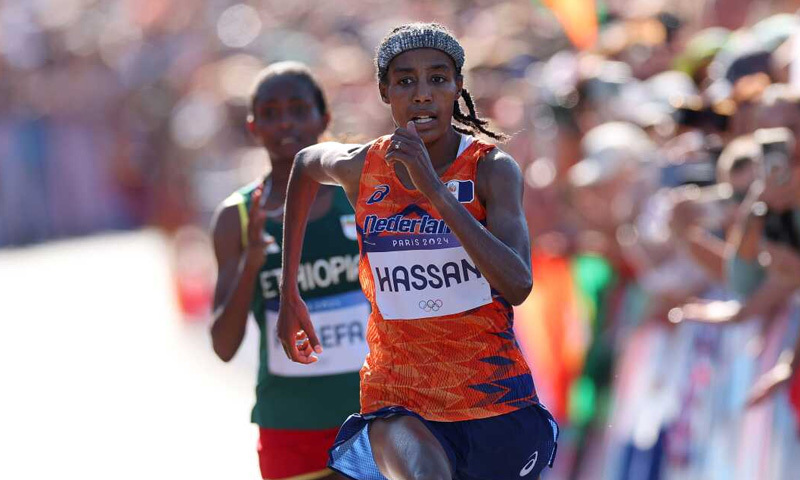
Hassan etched her name in Olympic history by capturing bronze medals in the 5,000 and 10,000 meters events, just days before clinching gold in the marathon. The 31-year-old has achieved a historic feat, becoming the first athlete since Czech runner Emil Zatopek in 1952 to earn medals in all these long-distance events within a single Olympic Games.
"She’s inspired so many people,” said Obiri, a two-time Olympic silver medalist in the 5,000 meters.
After the race, Hassan reflected, "I feel like I’m dreaming." She added, "At the end, I thought, ‘This is just a 100m sprint. Come on, Sifan. One more. Just push through, like someone running a 200m sprint.’"
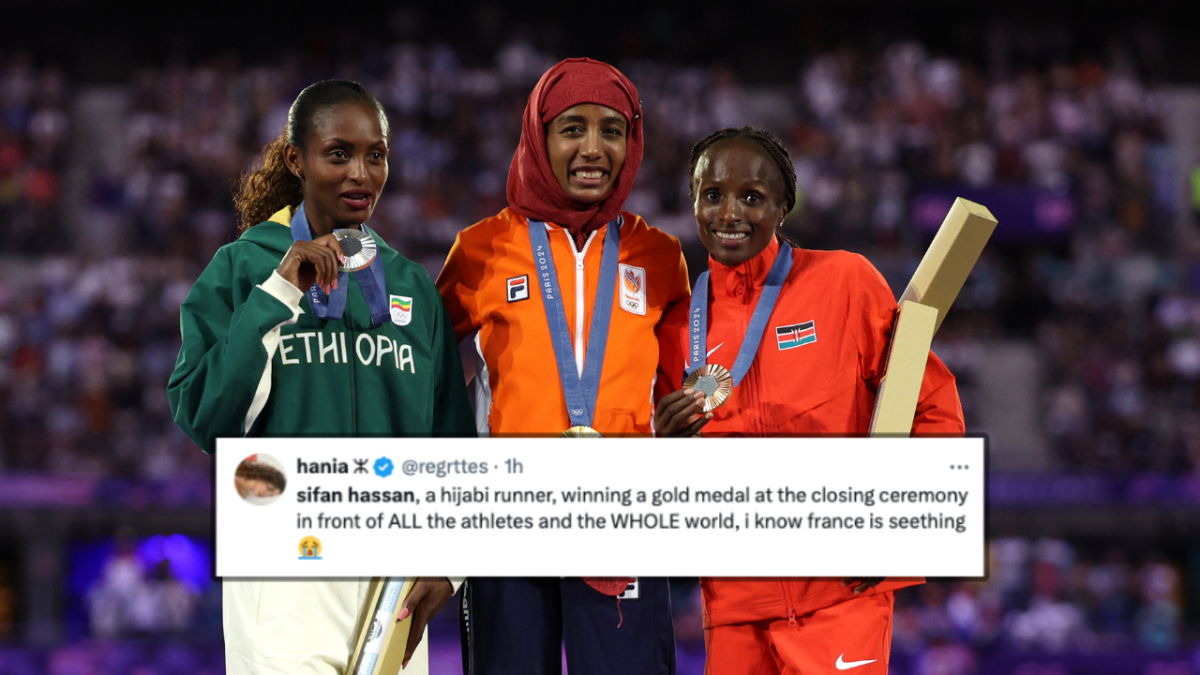
“Sifan Hassan wearing her hijab at the closing ceremony as she gets the gold for winning the women’s marathon. in France.. where they’ve banned the hijab… my queen," one person wrote on X.
One social media user said: "Sifan Hassan wearing her hijab to her gold medal crowning ceremony for the women's marathon after France banned females from wearing hijabs at the 2024 games. She is so powerful. What a woman!"
French athletes have been prohibited from wearing the hijab, or Muslim headscarf, at the games.
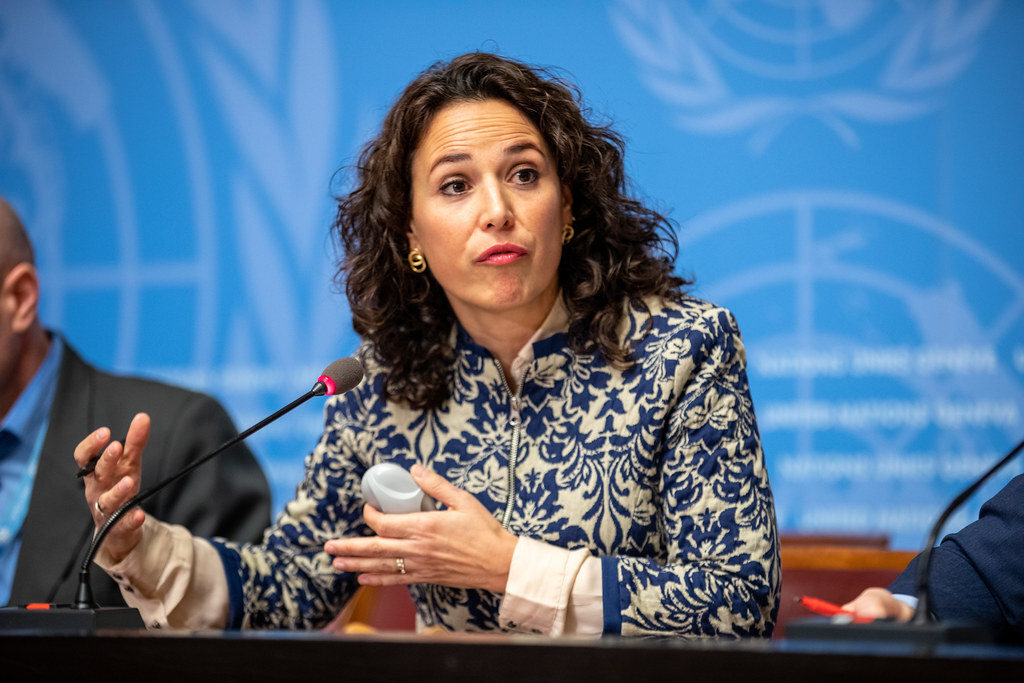
After the ban was announced, Marta Hurtado, spokeswoman for the UN Office of the High Commissioner for Human Rights (OHCHR), criticized the decision in a statement on September 26. "No one should dictate what a woman must or must not wear," Hurtado said.
The Islamic Solidarity Sports Federation criticized the ban, stating it "contradicts the principles of equality, inclusivity, and respect for cultural diversity that the Olympics represent."
The French Sports Ministry later clarified that while athletes were permitted to wear hijabs in public spaces and within the Olympic Village, they could not do so during events. This regulation quickly faced strong criticism, with the Islamic Solidarity Sports Federation stating, "This restriction undermines the values of equality, inclusivity, and respect for cultural diversity that the Olympics champion."
A week before the Games, Amnesty International voiced a similar concern, declaring: "French authorities made it clear, without reservation, that their stated commitment to gender equality and inclusivity in sports does not extend to one group—Muslim women and girls who wear religious head coverings."

France faced widespread criticism for its hijab ban, which the government defended as consistent with its stance against visible religious symbols in sports and its dedication to secularism.
This policy is broadly perceived as unfairly targeting Muslim women, many of whom regard head coverings and other modesty practices as central to their faith.
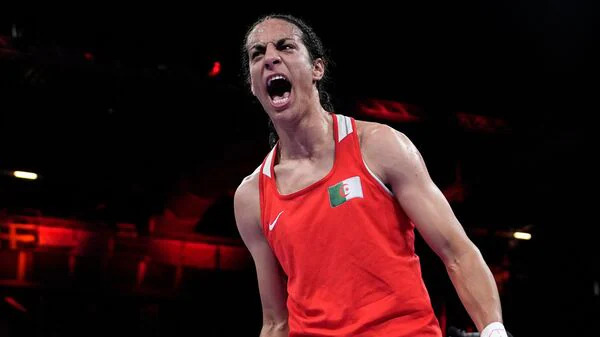
The Paris Olympics wrapped up on Sunday, highlighting notable achievements by Arab athletes. Algerian boxer Imane Khelif, who overcame false gender accusations, earned a gold medal on Friday.
