
From Policy to Prejudice: The Ripple Effects of Trump on Muslim Communities Then and Now
Trump's executive orders on immigration, travel ban, and refugees have sparked widespread backlash, deepening Islamophobia and fueling resistance within Muslim communities both in the U.S. and abroad
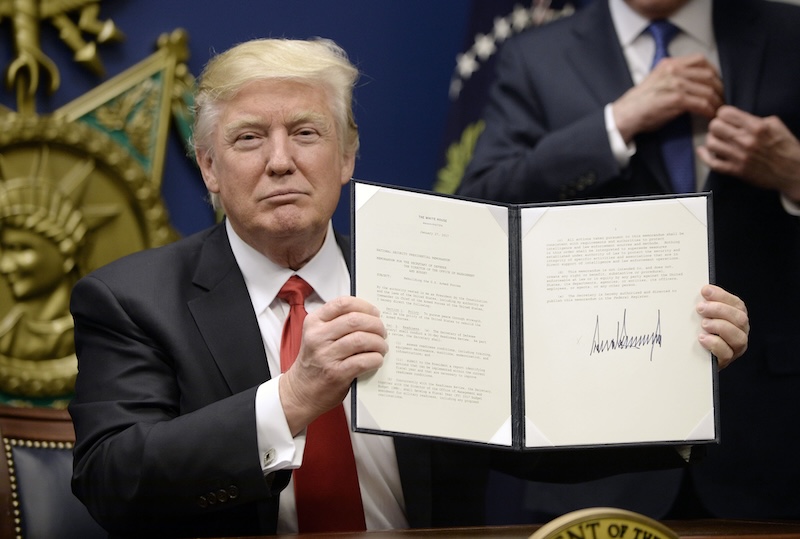
On the first day of his second term, President Donald Trump issued nearly 200 executive orders thus far, many of which targeted significant changes to U.S. immigration and refugee policies, particularly affecting Muslim-majority countries.
The reactions to Trump’s presidency have been sharply divided domestically and internationally. His background as a member of the capitalist elite, often criticized for perpetuating global inequality, raised concerns about the repercussions for marginalized communities, including Muslim populations both in the U.S. and abroad.
Trump's Impact on the Muslim Ummah
In the context of the Muslim Ummah, the former president's influence on Gaza seems, at first glance, to have pressured "Israel" into halting its attacks. However, a deeper analysis reveals a more complex reality. The Trump administration, while claiming diplomatic interventions, largely empowered Israeli aggression in the West Bank and turned a blind eye to the ongoing suffering of Palestinians.
Although some temporary pauses in violence were celebrated as successes, the fundamental issues of territorial expansion and systemic oppression remained largely unchanged, continuing to fuel instability in the region.
Trump's Immigration Policies: The Muslim Ban
In 2017, during his first administration, Donald Trump issued an executive order banning non-citizens from several Muslim-majority countries from entering the United States. This was unofficially called the “Muslim ban.”
During the first week of his second term, Trump's immigration orders included a travel ban that affected travelers from several countries, including legal permanent residents. The ban was widely condemned and challenged in court for constitutional and religious discrimination.
The 9th Circuit Court of Appeals issued an injunction, and a second, revised ban was introduced, which the Supreme Court upheld. The ban remained in place until President Biden reversed it on his first day in office. Trump's re-election bid suggests plans to reinstate the ban, potentially expanding it to include more countries, with broader and long-term implications expected due to court rulings on its legality.
Exemptions and Challenges for Non-Citizens Muslims Facing U.S. Travel Bans
Non-citizen Muslims from predominantly Muslim countries now face uncertainty if a new U.S. travel ban is enacted. Unless specific exemptions apply, travel restrictions could bar entry, even for those with valid work status or Green Cards.
Exemptions are limited and require proof of hardship, national interest, or non-threat to security. Universities like the University of Massachusetts and Wesleyan have issued travel advisories urging international students and scholars to return to the U.S. before Inauguration Day, as the ban could disrupt academic plans for those outside the country.
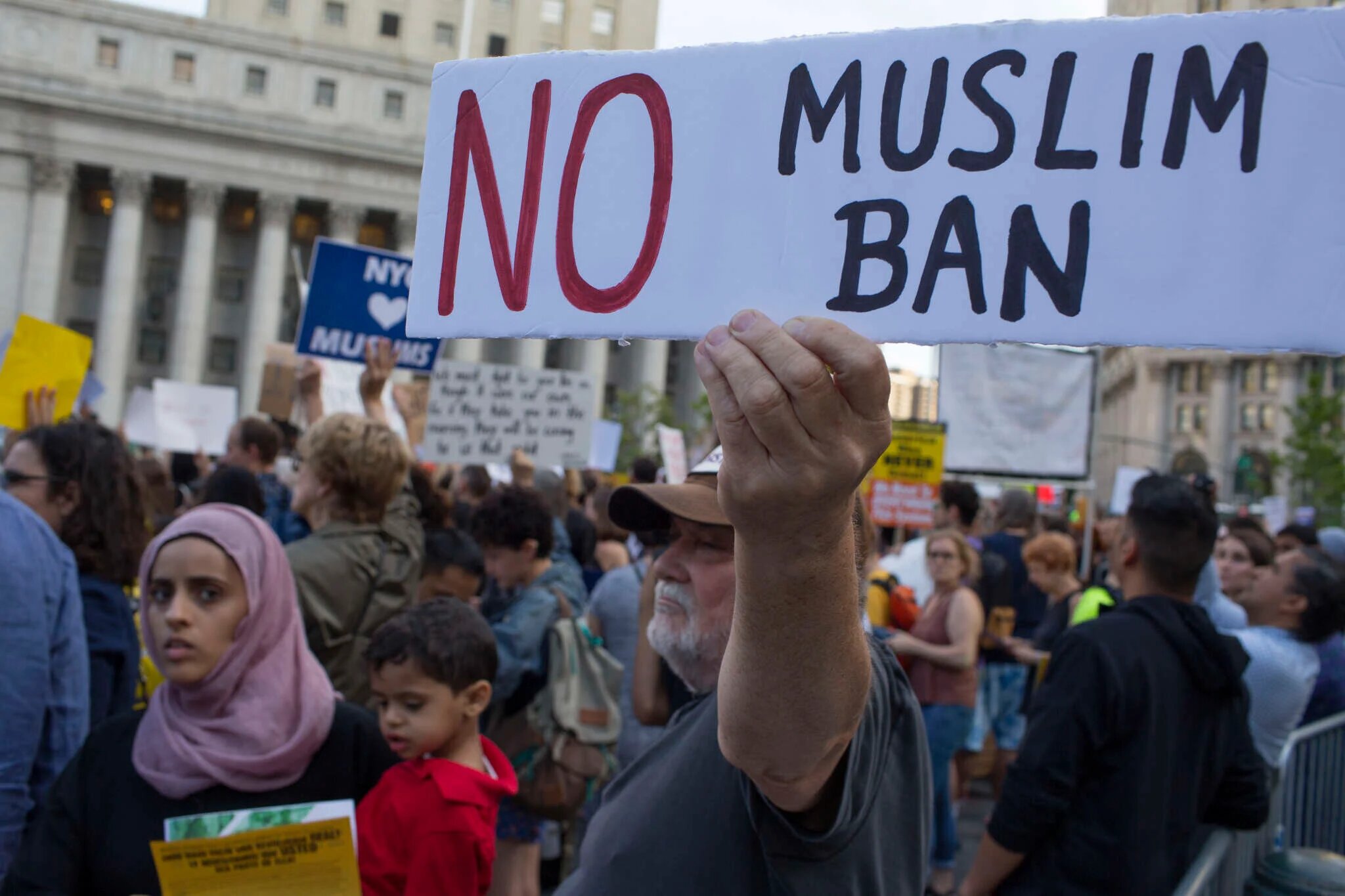 Protesters rally against the Muslim immigration policies initiated by Trump
During a September 2024 campaign event focused on "fighting antisemitism," Trump strongly advocated for his proposed Islamophobic immigration policies, saying his administration wouldn’t accept refugees from “terror-infested areas,” that he would reinstate the Muslim travel ban, and that his administration would “deport the foreign Jihad sympathizers and Hamas supporters from our midst.”
While Muslims and Muslim Americans are bracing for the second Trump presidency with fear and trepidation, leaders within the community aren’t backing down from challenging state violence.
Muslim Refugees in Limbo and a Toll on Immigrants
This month, President Trump signed an executive order suspending the U.S. Refugee Admissions Program (USRAP) indefinitely, with reviews every 90 days, halting the arrival of thousands of refugees.
A U.S. federal judge complicated the situation by ordering authorities on Saturday to halt the deportation of refugees and other travelers stranded at U.S. airports.
Around 15,000 Afghans are waiting in Pakistan for US resettlement, with many also attempting to seek asylum at the US-Mexico border. The UN projects over half a million Afghans will need resettlement in 2025.
Since August 2021, over 160,000 Afghans have arrived in the U.S., but the Biden administration faced criticism for delays. Trump, who replaced Biden, defended limiting immigration, stating the U.S. cannot absorb large numbers without straining resources. It’s unclear when USRAP will resume, causing anxiety among Afghan Americans with relatives still in Afghanistan.
Human rights organizations, including the American Civil Liberties Union (ACLU) and Amnesty International, have condemned these policies, arguing that they infringe upon the rights of Muslim immigrants and refugees and encourage Islamophobia and discrimination.
Affirmation from Muslim Communities
American Muslim communities and groups like CAIR have mobilized against Trump’s executive orders, filing lawsuits over the travel ban and its violation of religious freedom. Muslim Americans have also joined protests, such as the "No Ban No Wall" movement, to oppose the policies and unite Muslim and non-Muslim communities affected by them.
As Muslims, this Executive Order is deeply troubling, as it targets vulnerable refugees, many from Muslim-majority countries. Labeling asylum seekers as part of an "invasion" risks denying safety to Muslim families and children fleeing violence.
It violates international law and creates chaos, unfairly affecting Muslims, even those with valid visas or lawful residency. The policy exacerbates discrimination and suffering in our communities.
Broader Muslim Perspective
These executive orders have affected global perceptions of the U.S., fueling alienation and resentment in the Muslim world. The policies have reinforced negative stereotypes and are seen as institutionalizing anti-Muslim sentiment, leading to criticism from Muslim-majority countries and human rights organizations. This could damage diplomatic ties and complicate international cooperation.
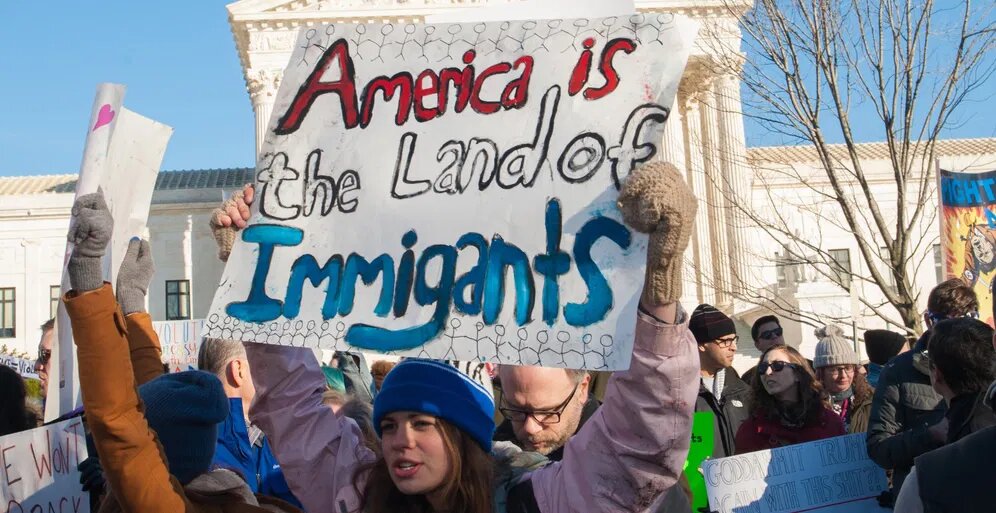 Built by immigrants, thrived through diversity
Aftermath
Trump's policies, particularly the "Muslim ban" and immigration restrictions, have had lasting negative effects on Muslim communities both in the U.S. and worldwide. These measures fueled Islamophobia, disrupted lives, and strained international relations. Despite this, Muslim communities have united in resistance through legal challenges and protests, showcasing resilience in the face of adversity. These policies have deepened challenges for Muslims while highlighting the need for solidarity and continued opposition to discriminatory practices.
