
French Interior Minister Rejects Hijab Ban for Minors, Warns of “Stigmatising” Impact on Muslims
Interior minister urges caution, warning that political pressure is drifting towards discrimination
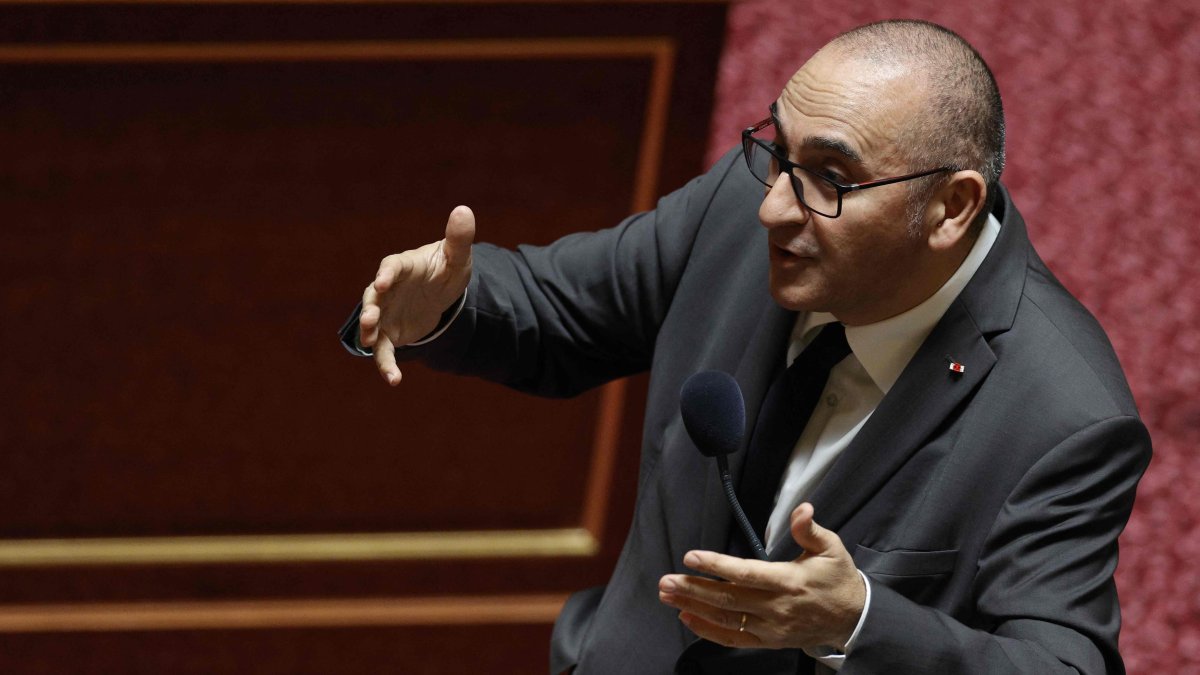
France has stepped into another intense debate over Muslim visibility in public life after Interior Minister Laurent Nunez openly rejected a proposal to ban girls from wearing the hijab in public.
His warning was blunt: the proposed restriction “is very stigmatising towards our Muslim compatriots who may feel hurt,” he told media, adding, “I am not in favour of it in this way.”
The bill, submitted by right-wing MP Laurent Wauquiez, aims to prevent all minors from wearing the headscarf in public spaces. It comes at a time when the political conversation in France is increasingly shaped by far-right narratives, even though the country hosts one of Europe’s largest Muslim communities. The proposal is part of a broader push to tighten legal limits on hijab in public, a push that has gained momentum across the political spectrum.
The pressure is not limited to the headscarf. A recent report from the Republicans (LR) in the Senate went further, suggesting a ban on Ramadan fasting for anyone under 16.
This proposal has alarmed many, not only for targeting minors’ religious expression but also for signaling a deeper shift in the state’s relationship with Muslim practices.
Nunez, who took office in October after replacing hard-line interior minister Bruno Retailleau, stressed the importance of distinguishing practicing Muslims from those promoting extremist ideologies. Authorities, he said, must be “extremely careful” and should instead focus on individuals who attempt to impose “religious law over the laws of the republic,” rather than policing mainstream Muslim practices.
But the divisions run deeper within President Emmanuel Macron’s own government. Equality Minister Aurore Berge voiced full support for the ban, arguing it is necessary “to protect children.” She added, “I have no doubt that there is now a majority in the National Assembly and the Senate to vote for it.”
Macron’s Renaissance party has previously floated its own version of the restriction, proposing in May to prohibit “minors under 15 from wearing the veil in public spaces.” These debates emerge as France heads toward the 2027 presidential election, with the far-right enjoying its strongest political position in modern history.
For Muslim families, the proposals add to years of accumulating restrictions. Under existing laws, civil servants, teachers, and students are already barred from wearing visible religious symbols, whether a Christian cross, Jewish kippa, Sikh turban, or Muslim hijab, inside government buildings, including public schools. The new proposals seek to push those limits further into everyday public life.
What is unfolding now is not just a policy debate but a deeper question about belonging and identity. With Muslim minors at the center of the political battlefield, the outcome of this debate will shape how religious freedom, childhood autonomy, and national identity intersect in the years ahead.
