
Breaking Point: Pfizer's Stock Faces Unprecedented Decline After 2024 COVID Reset
Recent data reveals notable drop in COVID-19 vaccination rates across the US; just around 17% of eligible population availed latest booster shots
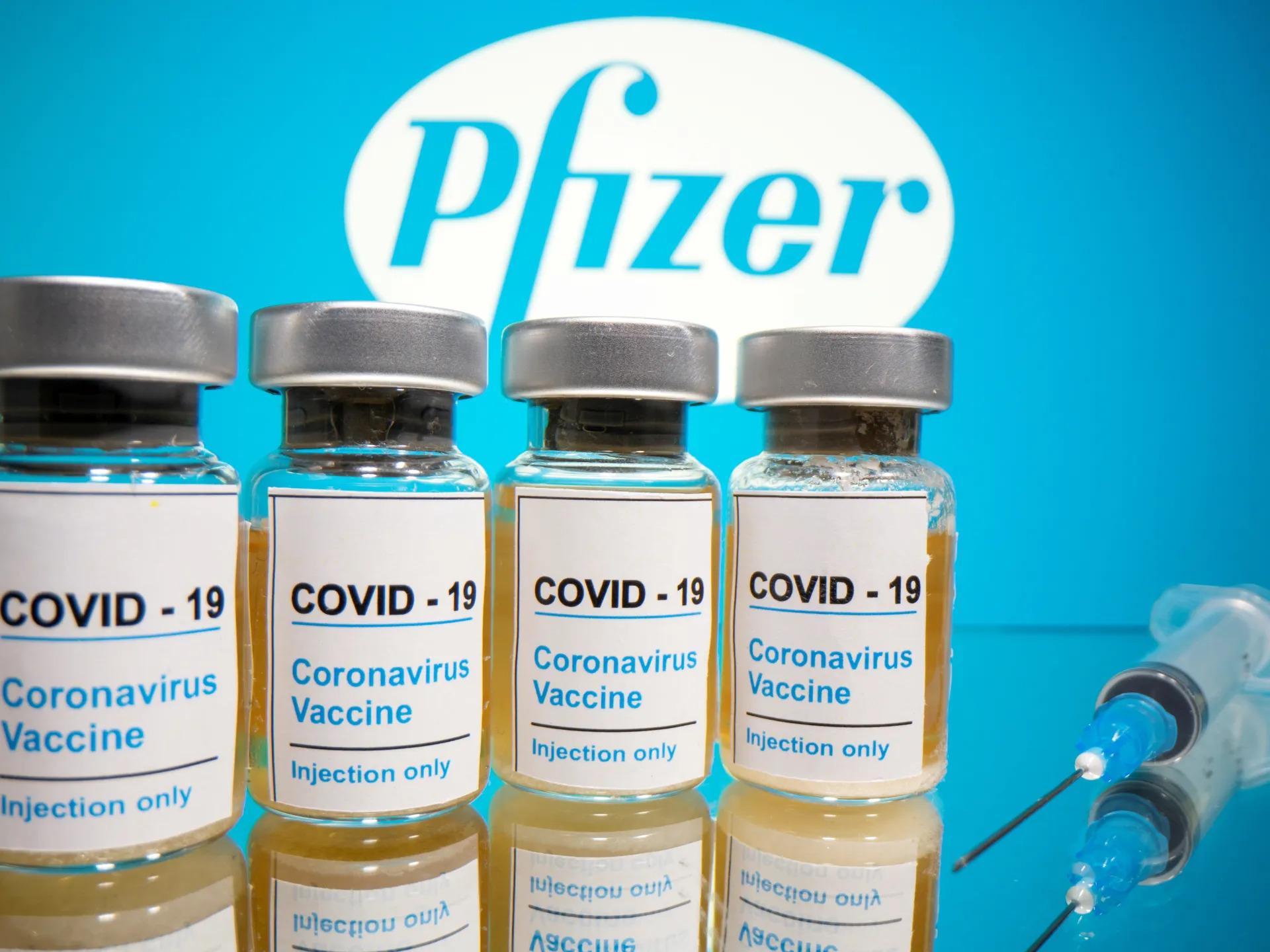
Pfizer, one of the world's premier biopharmaceutical companies, is engaging in multi-billion-dollar deals, internal restructuring and a substantial cost-cutting program to address a sharp decline in demand for its COVID-19 products.
The revenue generated by Pfizer's COVID-19 vaccine and treatment, which peaked at $57 billion in 2022, is now expected to decline to $8 billion in 2024. This projection falls below both the $13 billion forecasted by analysts and Pfizer's revised estimate of $12.5 billion for the current year.

"We want to be conservative," Pfizer Chief Executive Officer Albert Bourla said on a conference call with investors. "We want to be reliable so we won't create uncertainty (again), which was the case, unfortunately, this year."
In 2022, the revenue for Pfizer exceeded $100 billion, driven by the success of the COVID-19 vaccine and the antiviral pill Paxlovid. Initially, Pfizer projected sales of $21.5 billion in COVID-related products for 2023. However, the company had to revise this forecast, reducing over 40 percent to approximately $12.5 billion.

Pfizer has confirmed that Chief Commercial Officer Angela Hwang is stepping down. The company is undergoing a commercial restructuring, dividing it into two distinct divisions. One will have a focus on the United States, while the other will oversee operations for the rest of the world, excluding oncology.
The company is utilizing a portion of its COVID-related windfall to acquire other companies, with a notable $43 billion deal for cancer drugmaker Seagen expected to finalize this week. The acquisition of Seagen is projected to contribute $3.1 billion to the company's revenue in the coming year.
In its pursuit of broader ventures beyond COVID vaccines this year, the company secured approval for its nasal spray for migraines. This achievement stemmed from its acquisition of Biohaven Pharmaceutical for $11.6 billion.
The U.S. also approved Pfizer's vaccine for preventing pneumococcal disease in children aged six weeks to 17 years in April this year.
Pfizer also responded to the sharp decrease in COVID product sales by launching a program to cut jobs and expenses. This initiative is expected to save a minimum of $4 billion annually by the end of 2024.
Recent reports highlight a significant decline in COVID vaccinations in the U.S., with only approximately 17 percent of the eligible population receiving the latest updated boosters.
Factors contributing to this drop include diminishing concerns about the virus and vaccine fatigue.
